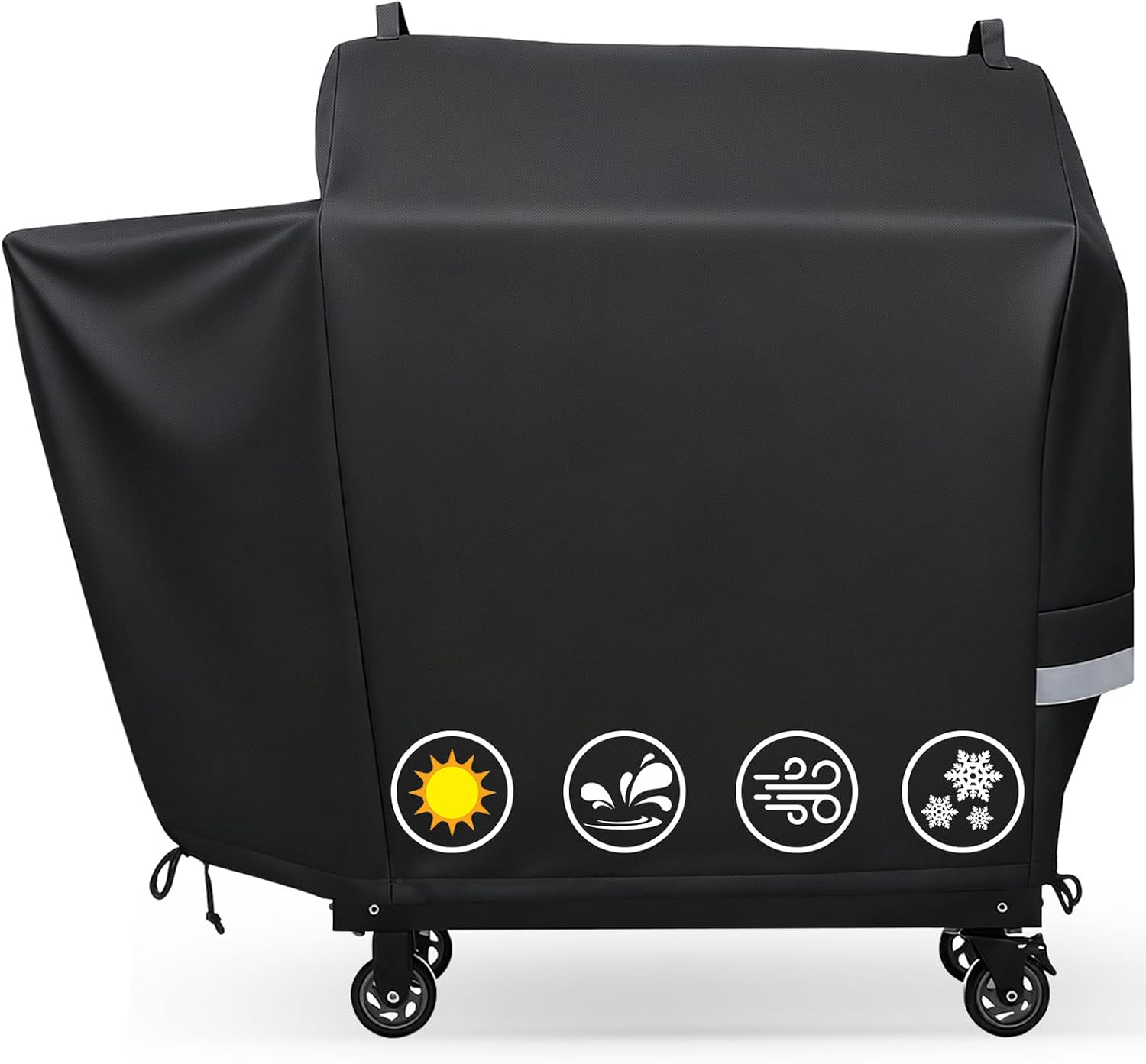
Related: Pellet Grill Vs Offset Smoker
I've been meaning to write this one for a while. Every time I post a temperature log or mention thermal runaway, I get the same question: "Joe, how do I actually clean this thing without screwing it up?" Fair question.
I've been cleaning pellet grills for twenty years, and I've seen what happens when people skip it. I've also seen what happens when people over-clean and wreck their seasoning.
This is the exact routine I run on my own four grills, plus what the buyer reports tell me about what you actually need to worry about.
The pellet smoker is a simple machine: auger feeds pellets to a fire pot, a fan blows air, and a controller tries to keep it honest. The cleaning routine is just protecting those three things from the grease, ash, and pellet dust that want to ruin them.
Here's the short version: empty the fire pot every 3-4 cooks, vacuum the ash out of the bottom, scrape the grease drip tray, and wrap your heat deflector in foil so you don't have to scrub it. Do that and your grill will run for years.
Skip it and you're risking a fire. I've seen thermal runaway. I've seen flames out the back slots. I've seen fire travel back up the auger into the hopper.
I don't want to see it again.
If you don't own a shop vac with a fine filter, go buy one before you read any further. A regular vacuum will blow ash all over your garage and into your lungs. I use a small 2.5-gallon Craftsman with a HEPA filter, and it lives under my workbench next to the 5-gallon Mighty Tuff buckets of pellets. You need three things total: the vacuum, a stiff putty knife, and a roll of heavy-duty foil.
Pros
- Prevents grease fires and thermal runaway
- Extends the life of the auger and controller
- Better smoke flavor, since ash doesn't choke the fire pot
- You'll actually be able to trust your temperature readings
Cons
- It's a 30-45 minute job depending on how long you've neglected it
- The first deep clean after months of abuse is genuinely gross
- You'll find pellet dust in places you didn't know existed
The Fire Pot Is The Soul Of The Machine
Let me start where the fire actually happens. The fire pot is that cup where the auger drops pellets and the igniter rod lights them. It's the soul of the machine, and it's the thing people neglect most.
After a long cook, the fire pot is full of ash, clinkers, and unburned pellet fragments. If you don't clean it, the ash builds up, the airflow gets restricted, and the fire smolders instead of burning clean.
That's how you get your temperature swings, and that's how you get fires.
Here's my routine. After every cook, once the grill has fully cooled, I pull the drip tray and heat deflector out. I vacuum the fire pot from the top, getting all the ash and any unburned pellets out. Then I check the igniter rod for buildup and scrape it clean with a putty knife if it needs it. I do this every 3-4 short cooks, and always after a long cook like a 14-hour pork shoulder.
The buyer reports back me up on this. One owner on the Cuisinart 8-in-1 documented his thermal runaway in chilling detail: "The auger and fan both ran at a high rate beyond design. It went rogue. Flames shot out the back slots under pressure like a forge.
The paint bubbled. The insulating felt melted." He'd been running his grill hard without cleaning the fire pot.
Same story comes up across pellet grill reviews: owners who skip the fire pot cleaning end up with auger jams and temperature runaway.
The grill isn't lying to you. It's telling you it's dirty.
The Grease Tray And The Foil Trick
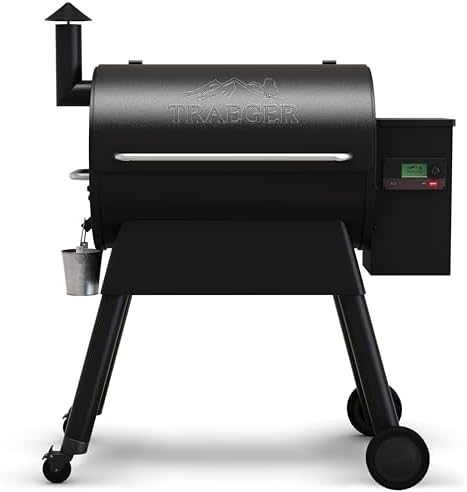
Now here's where I get on my soapbox. The grease drip tray and heat deflector are where most of the mess lives. The drip tray catches the rendered fat and channels it to the bucket. The heat deflector sits between the fire pot and the cooking grates, spreading the heat. Both get coated in grease, which carbonizes over time and turns into a crust that's a pain to scrape.
The foil trick: I wrap my heat deflector in heavy-duty foil before every cook. Everyone I know does this. It takes two minutes and it turns the cleanup from a 20-minute scraping session into a 30-second foil peel-and-replace.
One manufacturer voided a warranty because of this. I won't name them here, but I've written about it before and I'm still angry about it.
If a company tells you that protecting your heat shield with foil is a warranty violation, they're not a serious company.
The drip tray gets the same treatment. I line it with foil, and when it gets too gross, I peel it off and replace it. The grease bucket underneath gets emptied every couple of cooks. If you let it fill up, you're asking for a mess, and if you let it overflow onto the ground, you're asking for a visit from every stray dog in the neighborhood.
Biscuit, my 70-pound lab mix, has made that mistake exactly once.
The Auger And The Hopper
Most people stop at the fire pot and the drip tray, but there's one more thing that needs attention: the auger. The auger is the screw that feeds pellets from the hopper to the fire pot. If it jams, the fire goes out, the meat stalls, and you're eating cold brisket at 6 AM. I've had enough of that.
The auger jams when pellet dust and moisture combine into a paste that gums it up. The fix is to empty the hopper every once in a while and vacuum out the auger tube. I do this every few months, or whenever I switch pellet brands. I also store my pellets in Mighty Tuff 5-gallon buckets with sealed lids. A wet pellet is a jammed auger waiting to happen.
One owner of the Pit Boss Austin XL reported an auger jam on a cold, windy day: "The temp never got above 200. I pulled the hopper and found the auger caked with pellet dust that had absorbed moisture overnight." That's a classic.
If you live anywhere with humidity, this is a real risk. Empty the hopper if you're not going to cook for a couple weeks.
It takes two minutes and it saves you a heartbreak.
Deep Cleaning Schedule
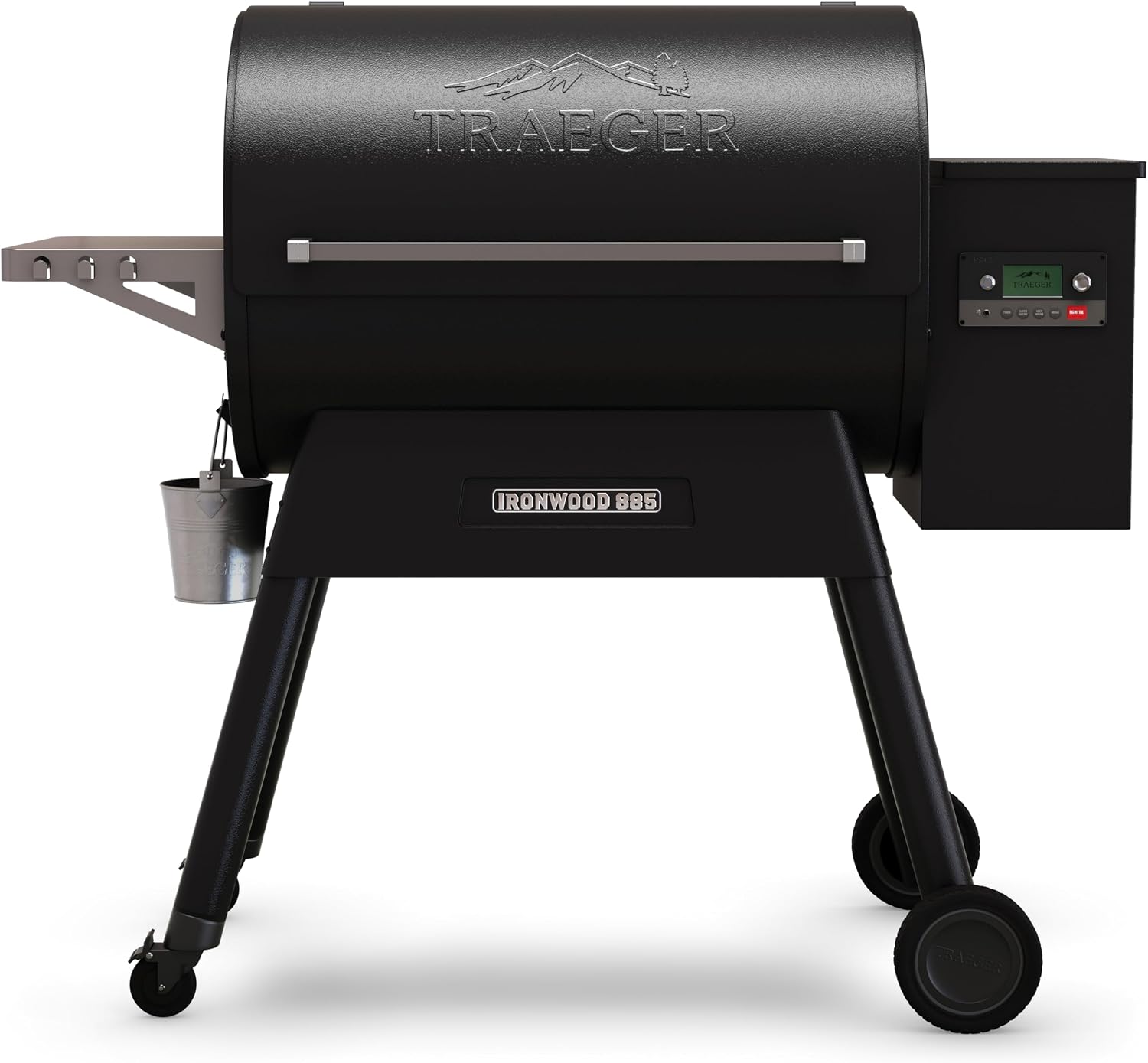
Here's the full schedule I run across my four pellet grills. The Traeger Ironwood 885 gets the full treatment because it's my workhorse. The tabletop units like the Cuisinart 8-in-1 and the Onlyfire GS313 get a lighter version since they're smaller and easier to tear down.
After every cook: Empty the fire pot, check the grease bucket, scrape the cooking grates.
Every 3-4 cooks: Vacuum the inside of the barrel, wipe down the interior walls, replace the foil on the heat deflector and drip tray.
Every 2-3 months: Empty the hopper, vacuum the auger tube, check the igniter rod for buildup, inspect the fan for ash accumulation.
Once a year: Pull the fan and clean it properly, check the controller wiring for corrosion, and give the whole unit a deep clean with a degreaser. This is also a good time to check the gasket around the lid. If it's cracked, replace it. A leaky lid lets smoke escape instead of smothering the meat, and you end up with lightly kissed chicken instead of smoky bark.
Cold Weather Reality Check
Now, a word about winter cooking, because this is when cleaning matters most. I test in cold, windy conditions specifically because that's when pellet grills show their true character. A clean grill handles the cold better because the fire burns hotter and the controller doesn't have to fight ash buildup.
A dirty grill struggles. One owner of the SmokeFire EX4 told me his grill "will struggle a little on a cold windy day but hell, who doesn't."
Remove the entire product link/image block, as it points to an unrelated scarf product.
If you're cooking in winter, clean the fire pot before the cook, not after. The extra airflow makes a real difference when the outside temp is 40 degrees and the wind is blowing. I've logged this. The temperature delta between a clean fire pot and a dirty one on a cold day is 15-25 degrees. That's the difference between a 14-hour pork shoulder that finishes on time and one that stalls at 3 AM.
Should You Buy A Cleaning Kit?
There are cleaning kits on Amazon. They're mostly a brush, a scraper, and some degreaser in a box. You don't need them. A putty knife, a roll of heavy-duty foil, and a shop vac with a fine filter will do everything a kit does, for less money.
The only thing I'd add is a set of grill brushes with brass bristles, because stainless steel bristles can shed and end up in your food.
That's a real documented hazard. Spend the extra ~$5.
If you don't own a ThermoPro TP20, now's also the time to buy one. The built-in probes on every pellet grill I've tested are a coin flip. They arrive dead or fail within months. A ~$30-40 dual-probe wireless thermometer is the single most important accessory you can own. If you're cleaning your grill and you don't have a way to verify the temperature is actually accurate, you're flying blind.
The Bottom Line
Cleaning a pellet smoker isn't hard. It's just a routine, and the routine is what separates a grill that lasts a decade from one that goes rogue in the middle of the night. Empty the fire pot every 3-4 cooks.
Vacuum the ash. Wrap the heat deflector in foil. Empty the hopper if you're not cooking for a while. That's 90% of it.
The other 10% is checking the fan and the igniter rod a couple times a year.
The meat is the final judge, not the digital display. But the meat can't be the judge if the fire pot is full of ash and the auger is jammed. Clean your grill, and your grill will tell you the truth. Neglect it, and you're risking a fire. I've seen it. I've lived it. My wife still gives me the eye every time I fire up a new grill after that scare. Don't be the guy with flames out the back slots.
I'm testing a couple of new tabletop units this winter, including the Onlyfire GS313 and the Recteq RT-590. I'll have a full temperature log comparison up soon, including how each one handles a cold, windy day on a dirty fire pot versus a clean one. That's the test that actually matters.