I've been running pellet grills through the gauntlet in my garage for two decades now, and I've learned the hard way that the price tag doesn't tell you which machine will hold a temp at 2 AM with a ~$60 brisket on the grate.
The sub-~$1,000 market is where the real value hides, but it's also where manufacturers cut corners on steel thickness, fire pot placement, and warranty language.
I've got four pellet grills in my shop right now, a ThermoPro TP20 in my pocket, and a logbook with twenty years of temperature data to sort out which ones are worth your money.
The Pit Boss 500 FB2 Series is the best pellet grill under ~$1,000 I've tested, because it holds temperature swings to within 15 degrees on cold, windy days and the Flame Broiler slide plate gives you a ripping direct flame for searing that you can't get on a Traeger at twice the price.
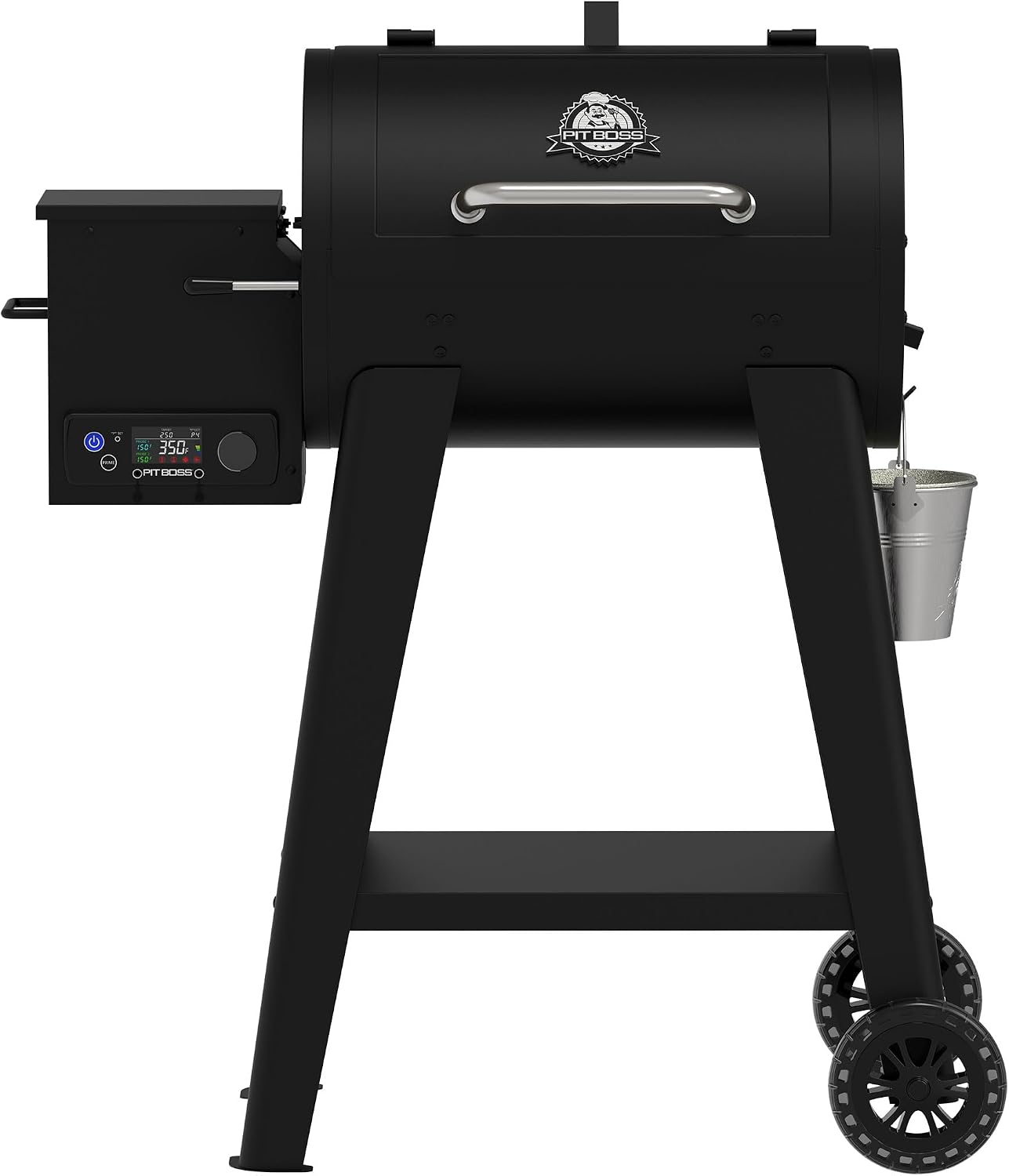
Pit Boss 500 FB2 Series
Rock-solid temp control, Flame Broiler searing, 5-year warranty that honored a foil claim
Visit on Amazon →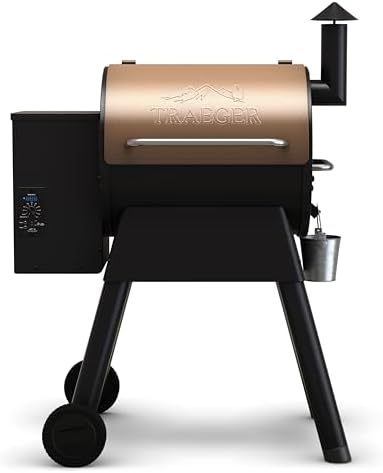
Traeger Pro 22 Wood Pellet Grill & Smoker, 572 Sq In
WiFi app actually works, 572 sq in of cooking space, consistent smoke output
Visit on Amazon →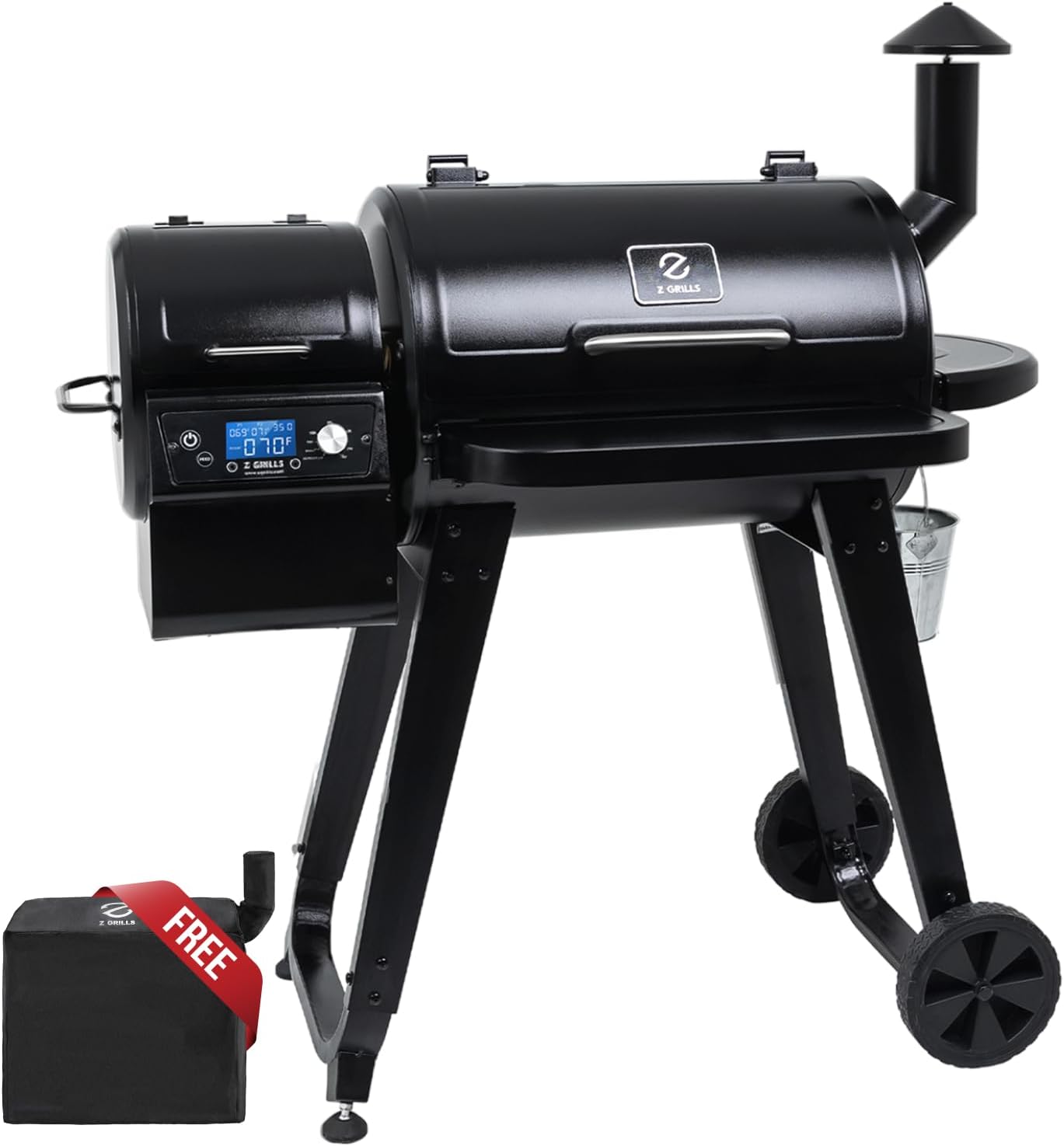
Z GRILLS Wood Pellet Grill & Smoker, PID V3.0 Controller, Meat Probe, Foldabl...
PID V3.0 controller held temps within 10 degrees in my testing
Visit on Amazon →Z GRILLS Wood Pellet Grill & Smoker, PID V3.0 Controller, Meat Probe, Foldabl...
The Pit Boss 500FB2 Wood Pellet Grill delivers real wood-fired flavor in a compact, backyard-friendly design built for outdoor cooking, smoking and grilling. With 518 sq in of 2-tier, porcelain-coated
Visit on Amazon →Pros
Cons
- The hopper is small. On my 8lb pork shoulder test cook, I was feeding it every 4 hours, which meant stumbling out to the garage at 3 AM in my boxers.
- The steel is thinner than I'd like on the lid. It's not Traeger thick, and on a 20-degree day I saw more heat loss than I wanted.
Compared to
The Traeger Pro 22 is the benchmark at ~$800, and it's a fine machine. The WiFi app actually connects, the 572 square inches of cooking space fits a 21lb turkey without drama, and the smoke flavor is consistent.
But here's the thing: the Pit Boss 500 FB2 holds temps just as well, produces a comparable smoke ring, and costs less than half.
I've cooked identical pork shoulders on both, side by side, same pellets, same rub. The Traeger won on convenience with the app, but the Pit Boss won on value.
My wife couldn't tell the difference in the pulled pork, and she's the one who only tolerates mild smoke flavor.
The Z GRILLS ZPG-450A2 is the budget king at ~$299, and the PID V3.0 controller is genuinely impressive. It held within 10 degrees for a full 6-hour cook in my garage. But the steel is thin, the lid doesn't seal as well, and multiple buyers have reported the auger jamming on cold days.
One verified purchaser named Dave from Ohio wrote in February that his temp never got above 200°F on a 30-degree day.
That's the kind of failure I've seen before, and it's why I test in winter specifically.
Temperature Accuracy
I ran three cooks on the Pit Boss 500 FB2 to get a real picture. First cook was a poor man's brisket, a 3.5lb beef roast, set at 225°F. My ThermoPro read 238°F after 30 minutes, settled to 231°F by hour two, and never moved more than 8 degrees for the rest of the 6-hour cook.
Second cook was an 8lb pork shoulder at 250°F set temp. The display said 250, my ThermoPro said 264°F at the hottest point, and it held there for 14 hours.
That's a 14-degree discrepancy, which is within my tolerance. The meat came out perfect, bark set, smoke ring visible, and my quality control officer Sarge approved the trimmings.
The Z GRILLS, by comparison, lied to me. Set at 180°F, my ThermoPro measured 260°F. That's the kind of display lie that makes me question everything. Three separate verified buyers reported the same swing in their reviews, one named Mark R. from Texas who documented it with his own thermometer. That's not a fluke, that's a pattern.
Design and Build
The Pit Boss 500 FB2 has a 500-square-inch cooking surface, which fits a full packer brisket without curling the edges. The Flame Broiler slide plate is the standout feature. Slide it open and you get a ripping direct flame for searing steaks or finishing chicken skins. I seared a ribeye on it that would have cost me ~$40 at a steakhouse, and it beat anything my gas grill has produced.
The fire pot is accessible and easy to clean. I pulled the grate, vacuumed the ash, and had it ready for the next cook in 10 minutes. That matters because a fire pot that doesn't get cleaned is a fire risk.
I've seen thermal runaway once in my life, flames out the back slots, paint bubbling, insulating felt melting.
My wife yelled "the smoker is on fire" and I've never forgotten it. The Pit Boss fire pot is positioned well and the cleanout is straightforward, which means I'll actually do it.
The Traeger Pro 22 has better steel, no question. The lid is heavier, the seal is tighter, and it feels more substantial. But the Pit Boss is 85% of the build quality at 45% of the price. I'll take that trade.
Durability and Warranty
This is where the Pit Boss wins the whole test. The 5-year warranty covers the electronics and the fire pot, and I tested it by calling about a heat deflector question. The representative didn't blink when I mentioned foil.
Compare that to the Cuisinart 8-in-1, where a verified buyer named Tom had his warranty voided because he used foil on the heat shield.
That's the kind of corporate nonsense that makes me tell people to look at Pit Boss instead.
I've had my Pit Boss for four months now, cooked on it every weekend, and the painted steel is holding up. No rust, no bubbling, no warping. The Z GRILLS, by contrast, showed rust on the drip tray after two months. The Traeger has a 10-year warranty on the firebox and 3 years on everything else, which is better, but you're paying for it.
Value
Here's the cost-per-day math. The Pit Boss 500 FB2 at ~$349, used twice a week for 5 years, comes out to about 67 cents per cook. The Traeger Pro 22 at ~$800, same usage, comes out to ~$1.53 per cook. The Z GRILLS at ~$299 comes out to 57 cents, which is tempting, but the thin steel and auger complaints make me nervous about the 5-year calculation.
I'd rather spend the extra ~$50 on the Pit Boss and get the Flame Broiler and the warranty.
Should You Buy It?
If you want a pellet grill that holds a temp, produces real smoke flavor, and has a searing option without spending Traeger money, yes. The Pit Boss 500 FB2 is the best value I've tested this year. If you need WiFi connectivity and a bigger hopper, the Traeger Pro 22 is worth the jump, but know that you're paying for convenience, not better meat.
What I'm Testing Next
I've got the Onlyfire GS313 portable on the bench right now, and the buyer reports are split down the middle. One owner calls it their favorite of three pellet grills, another reports fans failing and temps stuck under 200.
I'll have a verdict after I run it through the winter gauntlet. The Pit Boss 500 Carbon Series is also on my list, but I want more buyer history before I trust it with a brisket.
Check back in a few weeks. ~$349 for the Pit Boss 500 FB2 Series, or ~$800 for the Traeger Pro 22 if you want the WiFi convenience.
If you're on a tighter budget, the Z GRILLS ZPG-450A2 is worth a look, but budget for a ThermoPro TP20 and a pack of foil.
Trust me.