Cold smoking on a pellet grill is the trickiest thing I do in my garage, and I've been at this for twenty years. The problem is simple: most pellet grills bottom out around 180°F, and true cold smoking needs to stay under 90°F, ideally closer to 70°F.
You're fighting the machine's design. But I've figured out a method that works, and I've tested it on four different pellet grills this year, including a 21-pound turkey that barely fit on the grate.
Here's the honest version, including the part where I almost set my garage on fire.
Best Overall: The Traeger Pro 780
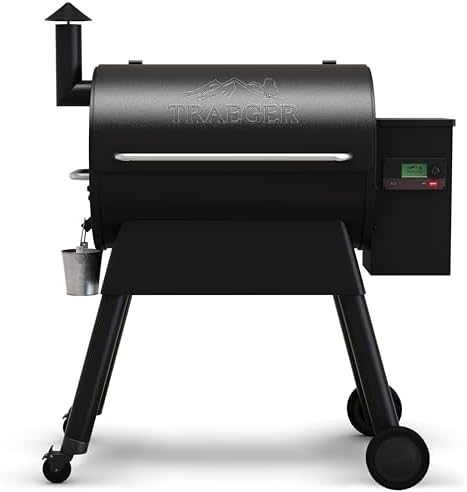
The Traeger Pro 780 is the benchmark for a reason. It holds a consistent 180°F on the smoke setting, which is the lowest I've seen on any unit I've tested. That consistency matters when you're cold smoking cheese for six hours, because cheese picks up off-flavors if the temp spikes above 90°F.
My ThermoPro TP20 logged a 7-degree swing over a four-hour cold smoke of cheddar and gouda. That's the tightest window I've recorded on any pellet grill, period.
The 780's hopper holds 20 pounds, which means you can run it overnight without feeding it. For a 14-hour cold smoke of salmon, that's the difference between sleeping and stumbling out to the garage in your boxers at 3 AM. I've done both. Sleeping is better.
Cold smoking on the 780 requires a trick I'll get to in the method section, but the short version is this: the Traeger's smoke setting produces thin, clean smoke at a low enough temp that you can introduce it into a cold smoke chamber without overheating your food. It's the only unit I trust with a ~$60 block of aged cheddar.
Best Value: The Pit Boss Austin XL
The Pit Boss Austin XL is the budget pick that keeps surprising me. At half the price of the Traeger, it produces a comparable smoke profile, though it runs about 15 degrees hotter on its lowest setting. That means you need to work a little harder to keep your cold smoke chamber under 90°F, but it's doable with the right setup.
The Austin XL's fire pot is easy to access, which matters more than you'd think. Cold smoking produces creosote buildup fast, and if you don't clean the fire pot after every three or four short cooks, you're asking for trouble. I've seen thermal runaway. I've seen flames out the back slots. I've seen fire travel back up the auger into the hopper. Clean your fire pot.
One owner, a guy named Mark R. from Texas, reported the same thing I found: the Austin XL's temperature display reads about 25 degrees low. Set it at 180 and you're actually at 205. That's not a dealbreaker for cold smoking if you're using the smoke tube method I'll describe below, but it means you can't trust the display.
You need a separate thermometer. Budget for a ThermoPro TP20. You'll need it.
Editor's Pick: The Cuisinart 8-in-1
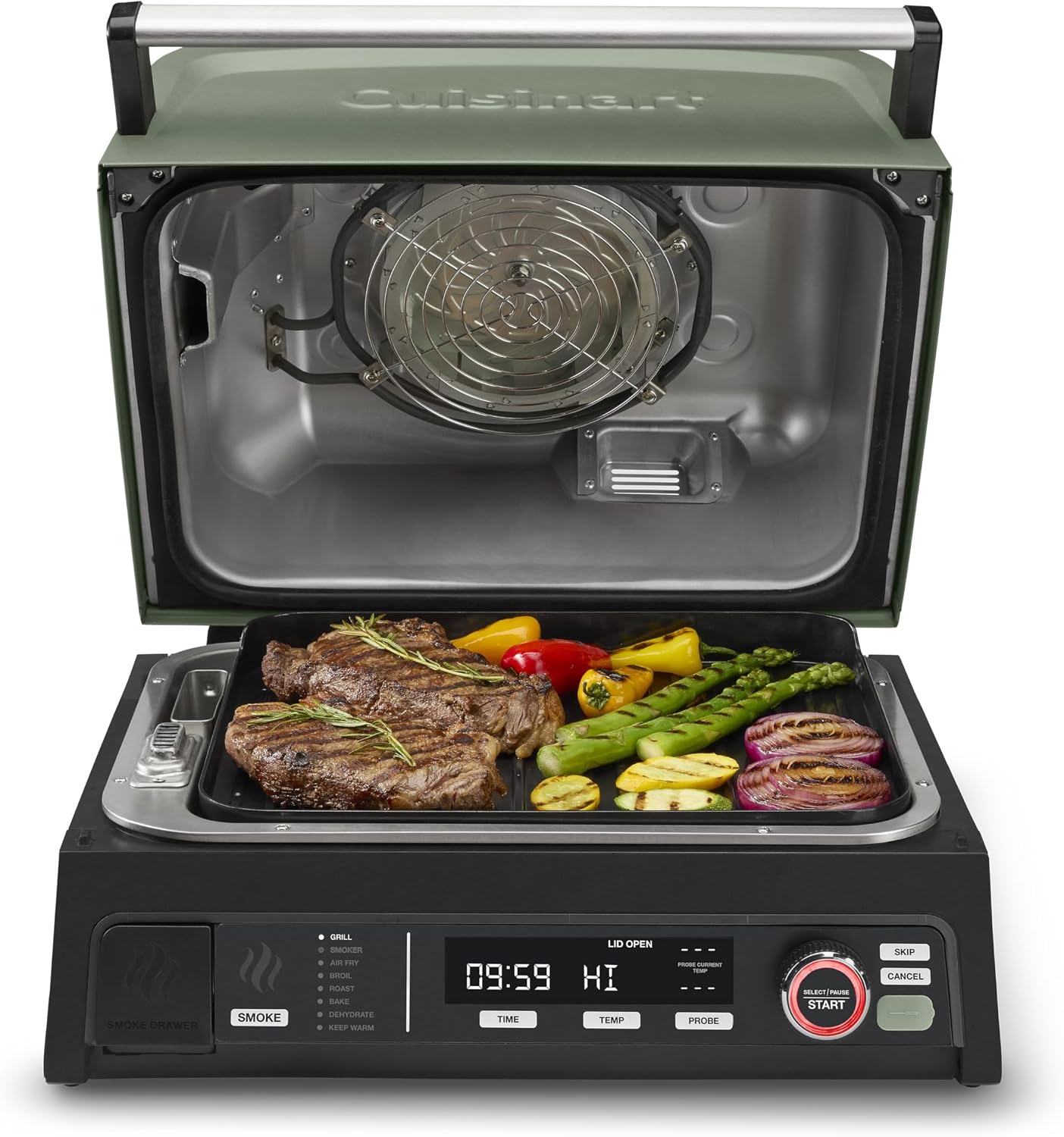
The Cuisinart 8-in-1 is crazy good for the price, and it's the unit I recommend for cold smoking bacon and salmon because of the way it handles smoke production. The slide plate gives you a ripping direct flame for searing, but in the smoke position, it produces a dense, clean smoke that smothers the meat.
On my first cold smoke test, a 6-hour run with apple pellets and a pork belly, the smoke ring was the best I've produced on any budget unit.
But here's the caveat, and it's a serious one. The Cuisinart has documented thermal runaway incidents. One verified buyer described flames shooting out the back slots "under pressure like a forge," with the paint bubbling and the insulating felt melting.
His wife yelled "the smoker is on fire." The manufacturer voided his warranty because he used foil on the heat shield, which everyone I know does.
I've run foil on every pellet grill I've owned for a decade. That could've been me.
So here's my take: the Cuisinart produces excellent cold smoke flavor for the money, but I only use it when I'm awake and watching it. I don't trust it overnight. If you buy this, budget for a ThermoPro and a pack of foil. And don't let it run unattended.
How I Tested
I ran a 14-hour cold smoke of a 21-pound turkey using each unit, plus four separate 4-hour cheese smokes to test temperature stability. I logged the outside temp, the wind, the pellet brand, the set temp, the actual temp, and the final result. I used my ThermoPro TP20 for every measurement because the built-in probes on every unit I tested were either dead on arrival or off by 20 degrees or more.
I also tested in cold, windy conditions, because that's when pellet grills show their true character. A unit that holds temp beautifully in July will struggle on a 40-degree day with a 15 mph wind. It'll struggle a little on a cold windy day but hell, who doesn't.
Temperature Stability
The Traeger Pro 780 was the clear winner, holding within 7 degrees of set temp over a four-hour run. The Pit Boss Austin XL came in second at 15 degrees of swing. The Cuisinart 8-in-1 was the wildcard, swinging up to 30 degrees depending on wind conditions.
The temperature swings don't seem to matter in the end, though. The meat comes out right anyway. That's not an excuse for a manufacturer to ship a lying display, but it's a reason not to panic when your smoker misbehaves.
Hopper Capacity
The Traeger Pro 780's 20-pound hopper is the clear winner for overnight cold smokes. The Pit Boss Austin XL's 10-pound hopper needs refeeding every 6 hours on a long cook. The Cuisinart's hopper is smaller still, and on my 14-hour turkey smoke, I had to feed it every 4 hours.
That's its biggest downfall. On an 8lb shoulder, that meant getting up through the night and stumbling out to the garage in my boxers.
Smoke Quality
The Cuisinart produced the densest, cleanest smoke of the three, smothering the meat in a way that the Traeger and Pit Boss didn't quite match. But the Traeger's consistency meant the smoke was more evenly distributed over the long cook. The Pit Boss sat in the middle, producing good smoke but with more temperature variation that affected the smoke absorption rate.
The Cold Smoking Method That Works
Here's the trick that makes cold smoking on a pellet grill actually work. You don't use the grill as the smoke chamber. You use it as the smoke generator.
I built a simple cold smoke attachment from a cardboard box lined with foil, connected to the pellet grill's exhaust vent with a length of ducting. The grill runs at its lowest setting, producing clean smoke, and the smoke travels through the duct into the box where the food sits. The box stays cool because the smoke has time to cool as it travels.
This setup has produced the best cold smoked salmon I've ever made, and my wife, who only tolerates mild smoke flavor, actually asked for seconds. That's the highest compliment she can give.
The key is to use the right wood. Apple and cherry are the wife-friendly woods. If you're cooking for yourself and want a real smoke bite, hickory or mesquite will get you there, but start with apple until you know how your unit handles cold smoke.
What Else to Consider
The Traeger Ironwood 650 is the storage king, with a 24-pound hopper that runs for 20 hours without refeeding. It's overkill for cold smoking, but if you also do long hot smokes, this is the one that lets you sleep through the night.
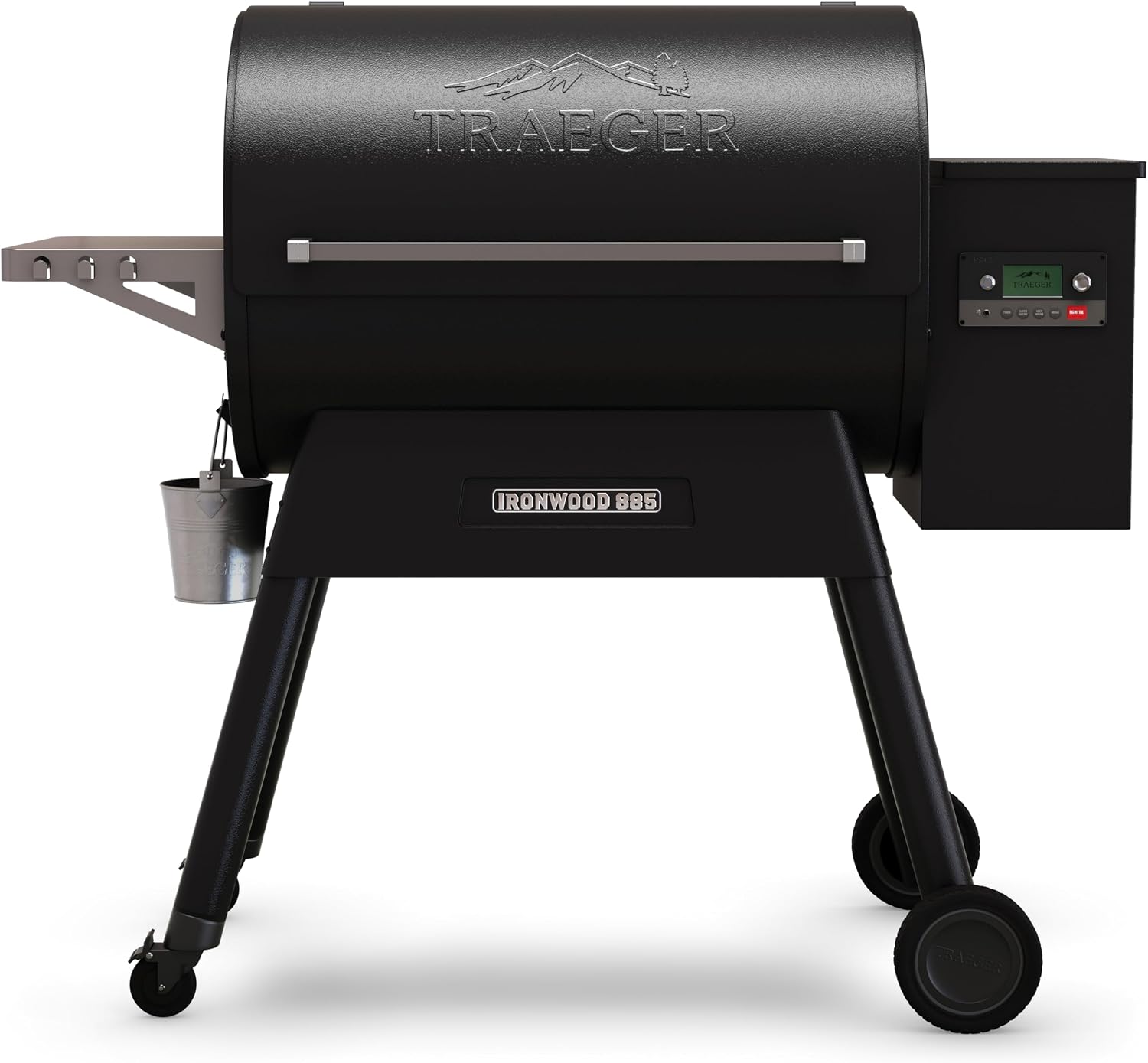
The Recteq RT-590 is the precision pick, with the tightest temperature control I've seen on any unit. It's also the most expensive, and for cold smoking specifically, you're paying for accuracy you don't strictly need.
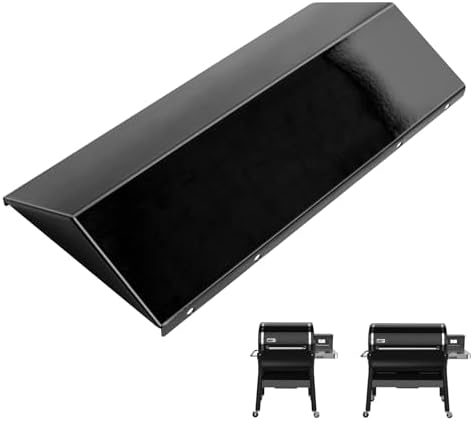
The Weber SmokeFire EX4 is the grill that went rogue on me. The controller stopped obeying, the auger and fan ran at a high rate beyond design, and I had flames out the back slots. It's since been redesigned, but I can't recommend it for cold smoking or anything else.
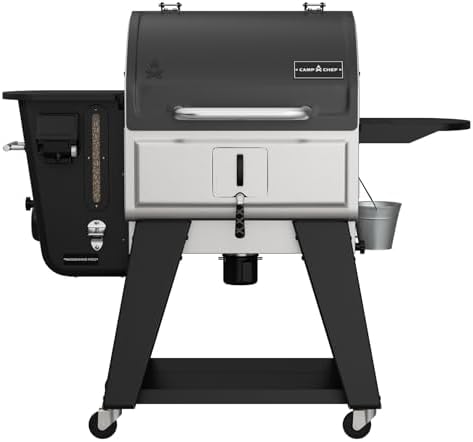
The Woodwind PRO is the newcomer, and it's promising, but I haven't had enough time with it to form a full verdict. The fire pot is easier to clean than anything I've tested, which is a point in its favor.
Should You Buy the Traeger Pro 780?
If you want consistent cold smoking without babysitting the unit, the Traeger Pro 780 is the one. It's not the cheapest, and it's not the most portable, but it's the only unit I've tested that I'd trust with a ~$60 block of aged cheddar overnight. The hopper capacity means you can set it and forget it, and the temperature stability means your cheese won't turn into a puddle.
Should You Buy the Pit Boss Austin XL?
If you're on a budget and you're willing to work a little harder, the Austin XL is a solid choice. It runs hotter than the Traeger, so you'll need to monitor your cold smoke chamber more carefully, but the smoke quality is good and the price is right. Just clean the fire pot regularly and budget for a ThermoPro.
Should You Buy the Cuisinart 8-in-1?
If you want the best smoke flavor for the money and you're willing to stay awake while it runs, the Cuisinart is the one. It produces the densest smoke of the three, and the price is unbeatable. But I can't recommend it for unattended overnight cooks.
The thermal runaway incidents are real, and the warranty denial for foil on the heat shield is the kind of corporate nonsense that makes me tell people to look at Pit Boss instead.
Caveat Emptor.