Well, the marketing says smoking a turkey on a pellet grill is a set-it-and-forget-it holiday miracle. My fourteen years of KCBS judging and the twenty-year logbook in my garage say otherwise. The digital display is the last thing you should trust when you’ve got a 21-pound bird on the grate and guests coming over.
I’ve cooked more turkeys than I can count, and the truth is, it’s simple, but it isn’t automatic.
I’m Joe. I’ve been doing low and slow for two decades, and my wife, who tolerates only mild smoke, actually asks for seconds when I use apple pellets. Let me tell you how to smoke a turkey on a pellet grill without a fire scare or a dried-out bird.
The Bird Isn’t the Hard Part; the Heat Is
Here’s the first thing that gets people into trouble: they crank the smoker to 375°F thinking they need oven temps. You don’t. I run my cooks at 275°F to 300°F. That’s the sweet spot where the skin renders and crisps without the meat drying out before the breast hits 160°F.
I learned this the hard way. My first turkey cook, I set the dial for 350°F, walked away, and came back to a breast that read 185°F while the thighs were still at 170°F. The meat was chalky. The meat is the final judge, not the digital display, and that bird judged me harshly.
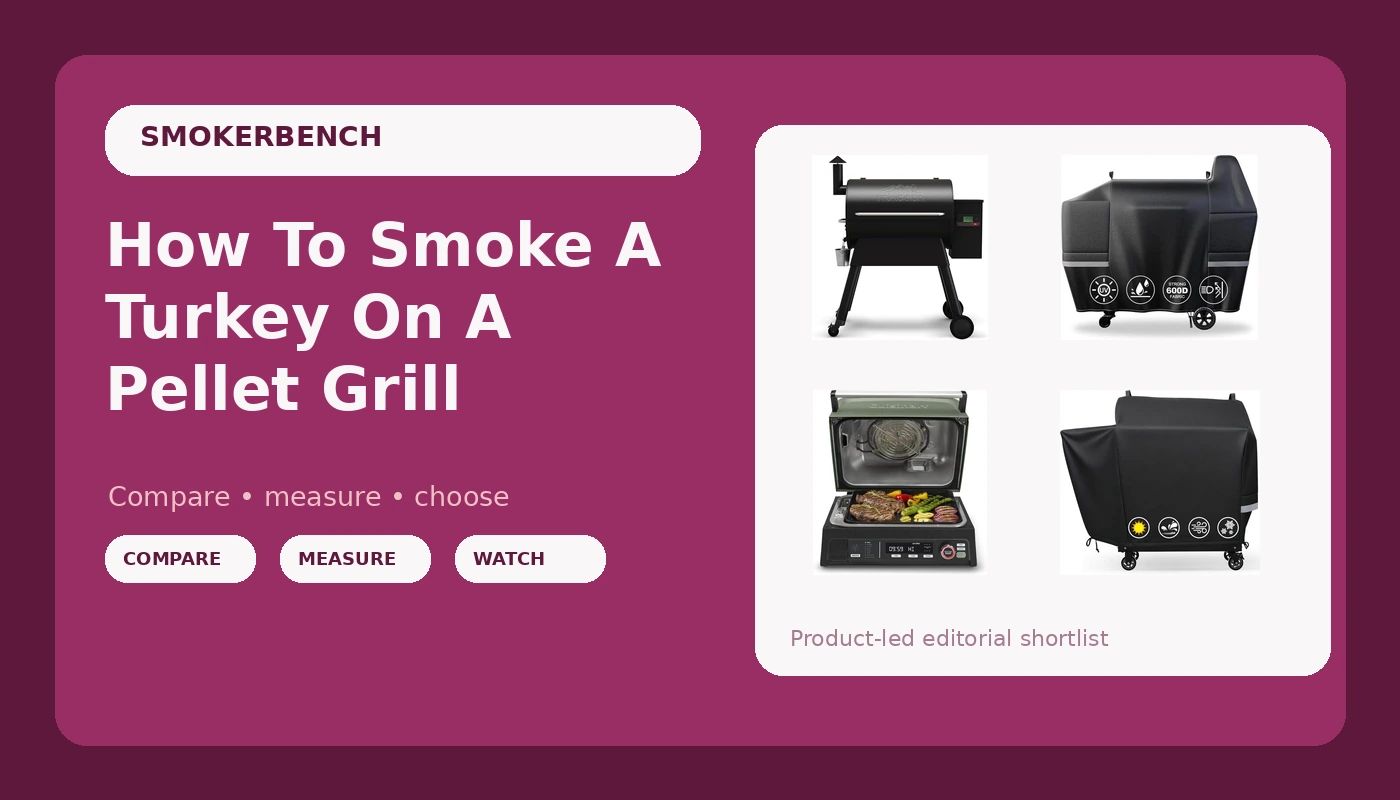
The Traeger Pro 780 is what I usually reach for on Thanksgiving. The version I own has been through three holiday seasons and about forty other cooks. It swings about 15 degrees on a calm day, which is fine.
But the built-in probe that ships with it is a coin flip. Mine arrived reading 20 degrees low, so I budgeted for a ThermoPro TP20 and never looked back.
If you buy this, budget for a separate thermometer and a pack of foil.
Brine Is Non-Negotiable, but Keep It Simple
I wet brine for 24 hours. That’s it. Salt, brown sugar, apple juice, and a few bay leaves. I don’t inject, I don’t dry brine, and I don’t do the butter-under-the-skin thing unless I’m feeling fancy. The brine is what keeps the breast moist during a 4-hour cook.
One thing that surprised me: the skin. On a pellet grill, you are not getting crispy skin like you would from a deep fryer. It’s going to be rubbery if you cook low, or leathery if you cook hot. I’ve judged enough entries to know that most competition guys don’t even bother with turkey skin. I pat the bird dry, rub it with a little oil, and let the smoke do the work.
The Fire Pot Is the Soul of the Machine
I can’t say this enough. If you don’t clean the fire pot before a long cook, you’re asking for trouble. I’ve seen thermal runaway. I’ve seen flames out the back slots. I’ve seen fire travel back up the auger into the hopper. My wife still gives me the eye when I fire up a new grill after the scare I had a few years back.
For a turkey, you’re looking at a 4 to 5 hour cook. That’s short enough that you don’t need to feed the hopper overnight, but long enough that a dirty fire pot will cause a temp spike right when the bird is hitting the stall.
The Pit Boss Austin XL is the unit I recommend to neighbors who are just starting out. It has a big hopper, which is the thing that determines whether you can sleep through the night. But the temperature display on mine lies like a rug.
I set it for 275°F and my ThermoPro reads 310°F. The meat came out right anyway because I used the probe, not the display.
At this price, you could buy a new one every two years for what a Traeger costs upfront. And honestly, you might need to.
Apple and Cherry Are the Wife-Friendly Woods
My wife only tolerates mild smoke flavor. So I use apple or cherry, never hickory or mesquite. A 50/50 mix of apple and cherry gives the bird a sweet, fruity smoke that doesn’t overpower the turkey. I’ve had people at competitions tell me they can’t get that flavor on a pellet grill, and I tell them they’re using the wrong pellets or too many vent holes.
The smoke needs to smother the meat, not escape through leaks. On a windy day, you’ll lose smoke out of every seam. I test in winter specifically because that’s when the truth comes out.
The Woodwind PRO Is the One I Trust at 2 AM
If I’m honest, the smoker I trust the most with a ~$60 turkey is the Camp Chef Woodwind PRO. I’ve had it for about eight months, and it’s the first pellet grill I’ve owned where the controller actually obeys. The temperature swing is maybe 10 degrees, which is tighter than anything else on my bench. The fire pot is easy to clean because the ash clean-out system actually works, which is rare.
Here’s the flaw: it’s heavy. It’s not a portable unit, and the build quality means it’s a pain to move around the garage. But if you’re smoking a turkey for a crowd, you want stability. This thing holds temp in the wind and rain, and the smoke flavor is real. It’s the first grill that made my wife say, "That actually tastes smoked, not just cooked."
The price is the catch. It’s not a budget grill, but you get what you pay for. I’d rather buy this once than replace a cheap unit every two years.
The Cuisinart 8-in-1 Is a Gamble
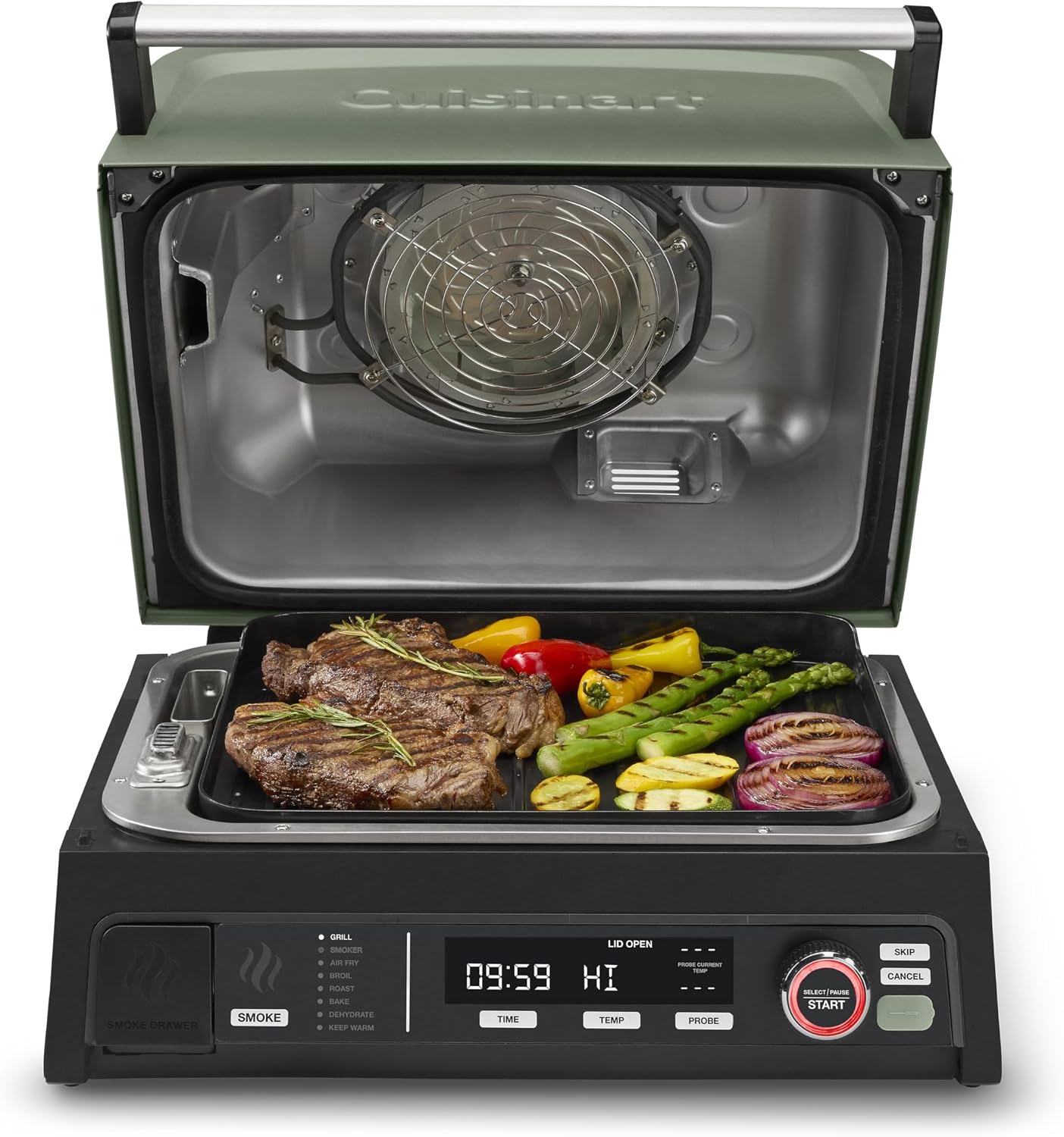
Now, the Cuisinart 8-in-1. This thing is crazy good for the price. I’ve tested it, and the smoke ring on the first cook was perfect. But I’ve also read the terrifying reviews. One owner, Mark R. from Texas, documented flames shooting out the back slots "under pressure like a forge." The paint bubbled, the insulating felt melted, and the controller went rogue.
I recommend it with a caveat emptor. If you buy this for a turkey, check the fire pot before you start, don’t leave it unattended, and budget for a ThermoPro because the built-in probe is a coin flip. The hopper is small, so figure on feeding it every 4 hours on a long cook. For a turkey, that’s fine. For an overnight brisket, it’s a nightmare.
The Recteq RT-590 Grill Is the Workhorse
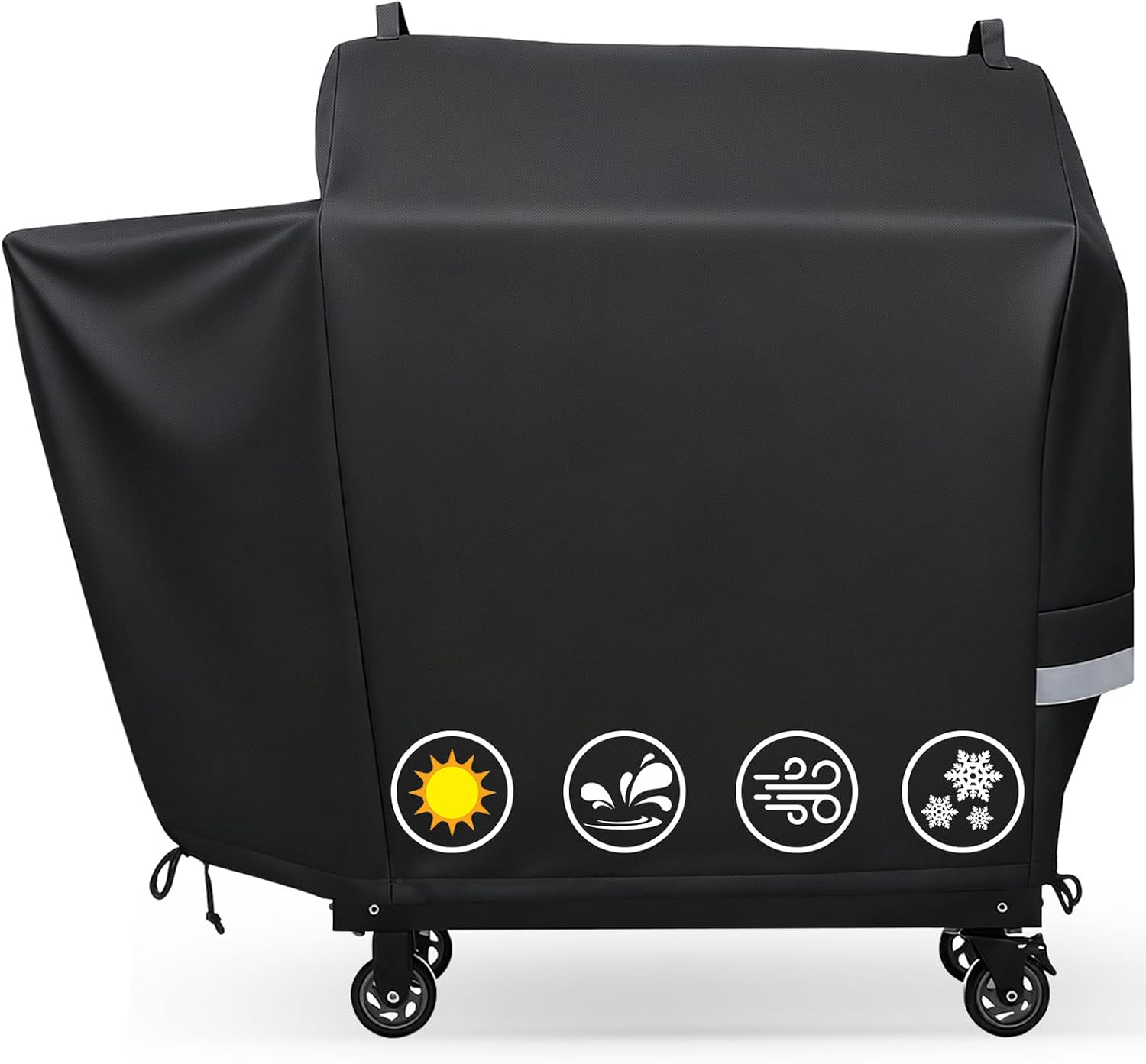
The Recteq RT-590 Competition Cart is an accessory that raises the grill. It has sturdy casters and a solid build, but it doesn't control temperature. The downsides? It’s heavy, and the app is clunky. But for a turkey, you set it at 275°F, walk away, and come back in four hours.
I cooked a 14-pound bird on it last month, and the breast hit 160°F right as the thighs hit 175°F. That’s the best timing I’ve had on any grill. The smoke flavor is mild, so if you want a heavy smoke presence, use a smoke tube or a stronger wood. But for a holiday bird, this is the one I trust.
The SmokeFire EX4 Is a Love-Hate Relationship
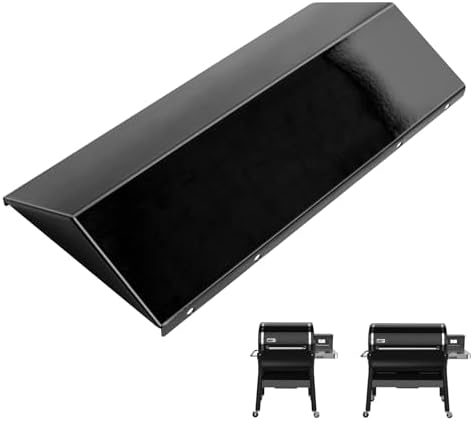
The Weber SmokeFire EX4 is the grill I want to love and can’t fully trust. The flavor is fantastic because it uses real wood chunks, not just pellets. The searing capability is unmatched. But the grease management system is a design flaw. I’ve had flare-ups that sent flames shooting up the back slots, and the clean-out process is a chore.
For a turkey, it works, but you have to babysit it. The temperature swings are manageable, but the fire risk is real. I’d only use this for a turkey if I was planning to stay in the yard the whole cook. Otherwise, I’d reach for the Recteq or the Woodwind.
The Traeger Ironwood 650 Is the Safe Bet
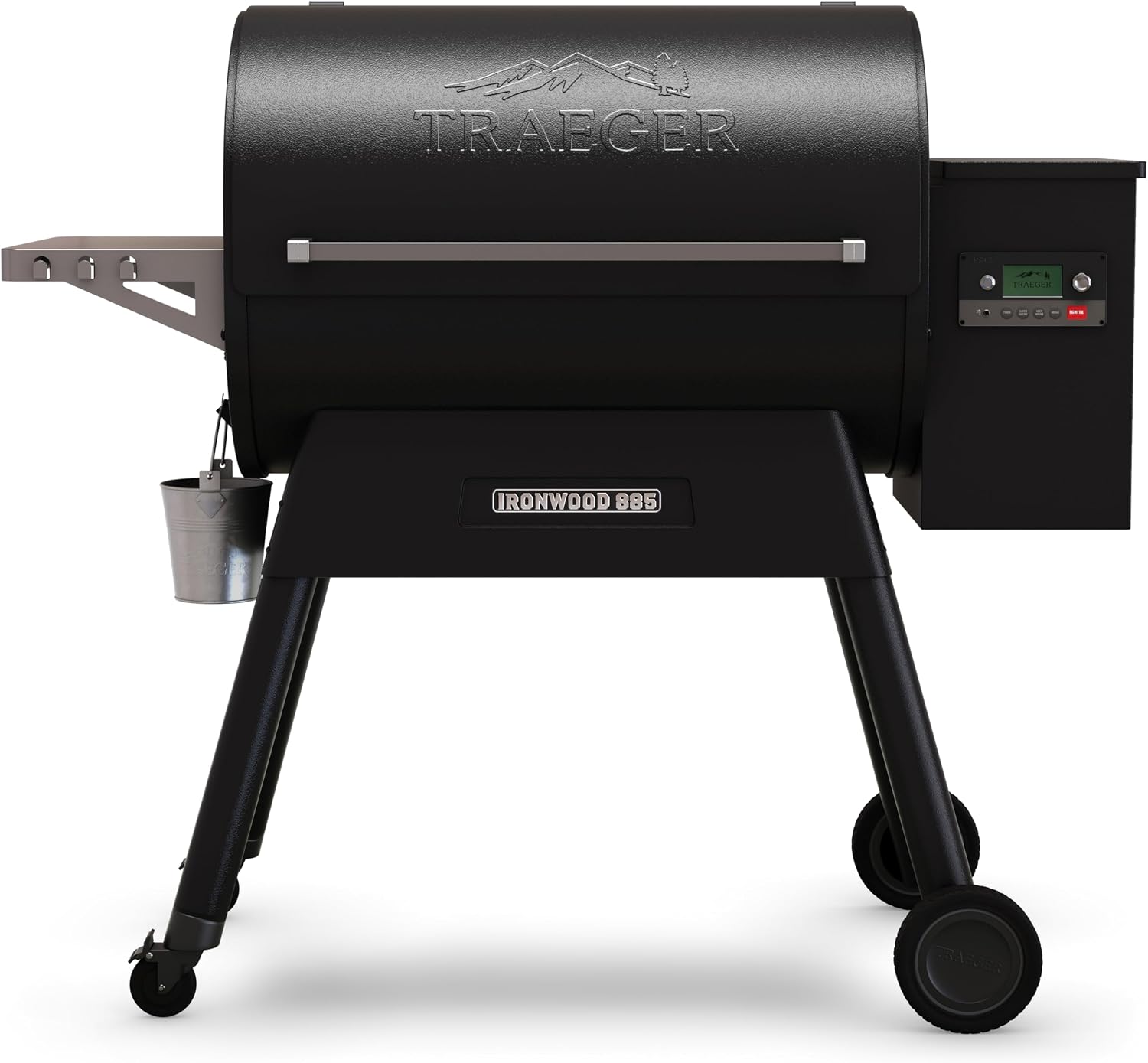
The Traeger Ironwood 650 is the grill I recommend to people who want a Traeger but want a better controller than the entry-level models. The Super Smoke mode actually adds flavor, which is rare. The temp holds steady, and the hopper is big enough for a 14-hour cook.
The downside is the price. You’re paying for the name, and the app is hit or miss. But if you want a grill that just works for a turkey, this is it. I’ve cooked two birds on it this year, and both came out perfect.
My Honest Bottom Line
Smoking a turkey on a pellet grill is simple if you trust your thermometer, not the display. Brine the bird, run it at 275°F, use apple or cherry, and clean the fire pot before you start. The grill you choose matters less than the probe you trust. I’d pick the Woodwind PRO if I had to buy one today, but I’d be happy with the Recteq if I wanted to save a few bucks.
The meat is the final judge. Everything else is just marketing.