An overnight brisket is a trust exercise. You fill the hopper at ten at night, set the controller, and go inside hoping the thing in the backyard keeps doing what you told it to do. Pellet grill temperature stability is the entire game, and it is the one number no box tells you honestly.
I have cooked on pellets for fourteen years, judged KCBS contests for most of that, and logged the temperature on every cook I have ever run. That logbook is why I care less about an app than about a firepot, and less about a grill's top temperature than about its hold time. A cooker that swings thirty degrees is a campfire with a hopper bolted to it.
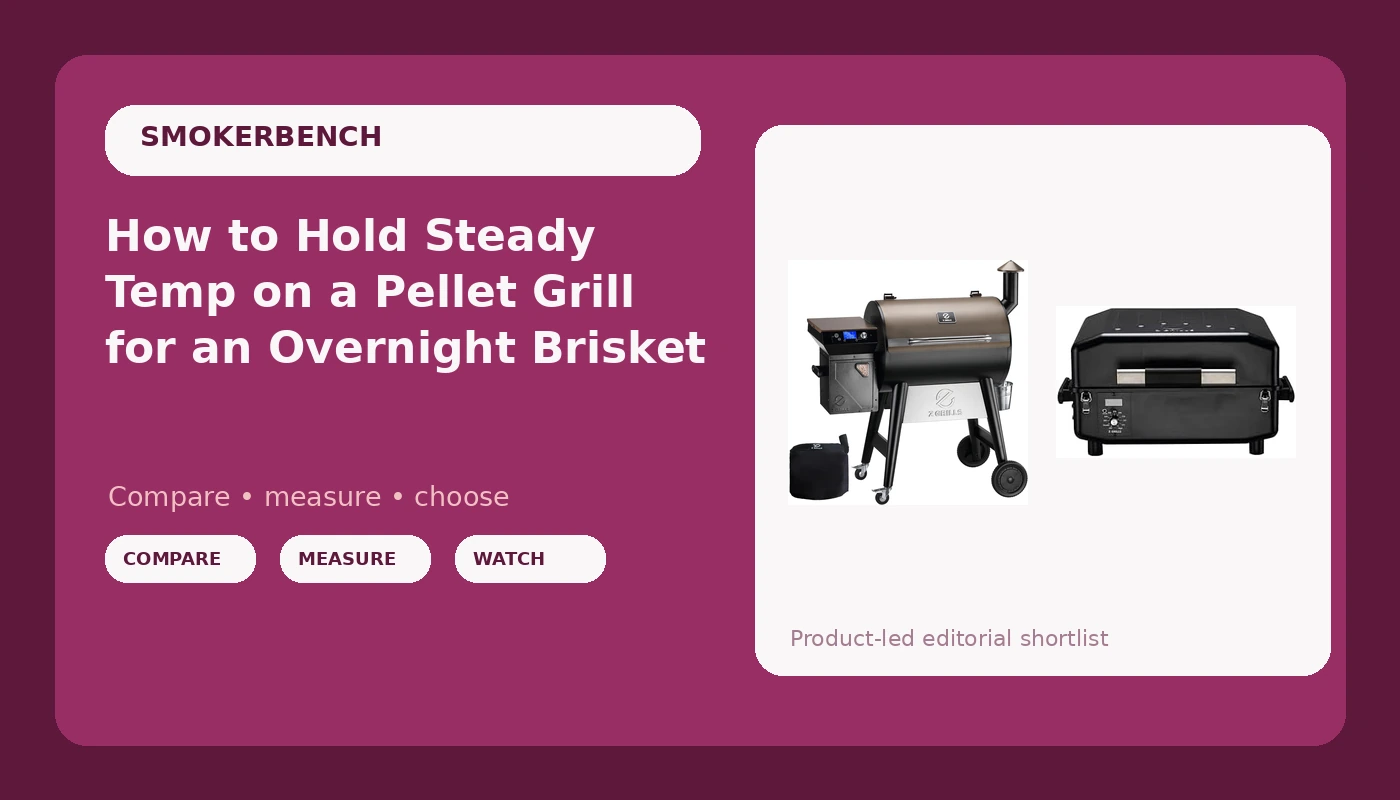
Below is the overnight workflow I actually use for a packer brisket, plus the two cookers in my rotation I would hand that job to: one full size, one built for a patio the size of a card table.
Why you should trust me
I have been competing in KCBS contests for fourteen years, I am a certified judge, and I am the neighbor everyone borrows a smoker from the week before a family reunion. I own four pellet grills and I have cooked more briskets than I can count. Every cook goes into the log with the hold time, the pellet brand, and what the weather did to the smoke, including the night a twenty-five mile an hour Kansas wind turned a fourteen hour cook into a sixteen hour argument.
I do not care what a spec sheet claims a grill can do. Show me the temperature log. That is the standard I hold everything in this article to.
What has to be true before the meat goes on
Four things matter before you commit a brisket to any cooker. Everything else on a spec sheet is garnish.
Hold time. Hold time is how long the temperature stays put without you touching anything. On an overnight cook it is the only spec that matters. A controller that reaches 225 and then wanders is worse than one that never quite gets there but stays where it lands.
The firepot. Where the auger drops pellets is where cheap grills give themselves away. Thin steel warps and rusts, and a warped firepot changes the burn, which changes the temperature, which changes your night. Look at the steel before you look at the feature list.
The auger's reputation. Auger jams spread through this community fast. A jam at hour six of a brisket is not an inconvenience, it is a decision about whether you serve dinner at four or at eight.
The controller. A proportional controller, usually called a PID, reads the temperature many times a minute and feeds pellets in small amounts instead of dumping them in bursts. In practice that means smaller swings and fewer flare-ups in the burn. Both cookers below use one.
The hopper. Capacity is a camping spec, not a cooking spec, but on an overnight cook it decides whether you sleep or you refill. Know how long your hopper lasts at your cooking temperature before you plan a bedtime.
The two cookers I would hand a brisket to
These are not the only pellet grills worth owning. They are the two I would set up for a long cook, at two very different sizes.
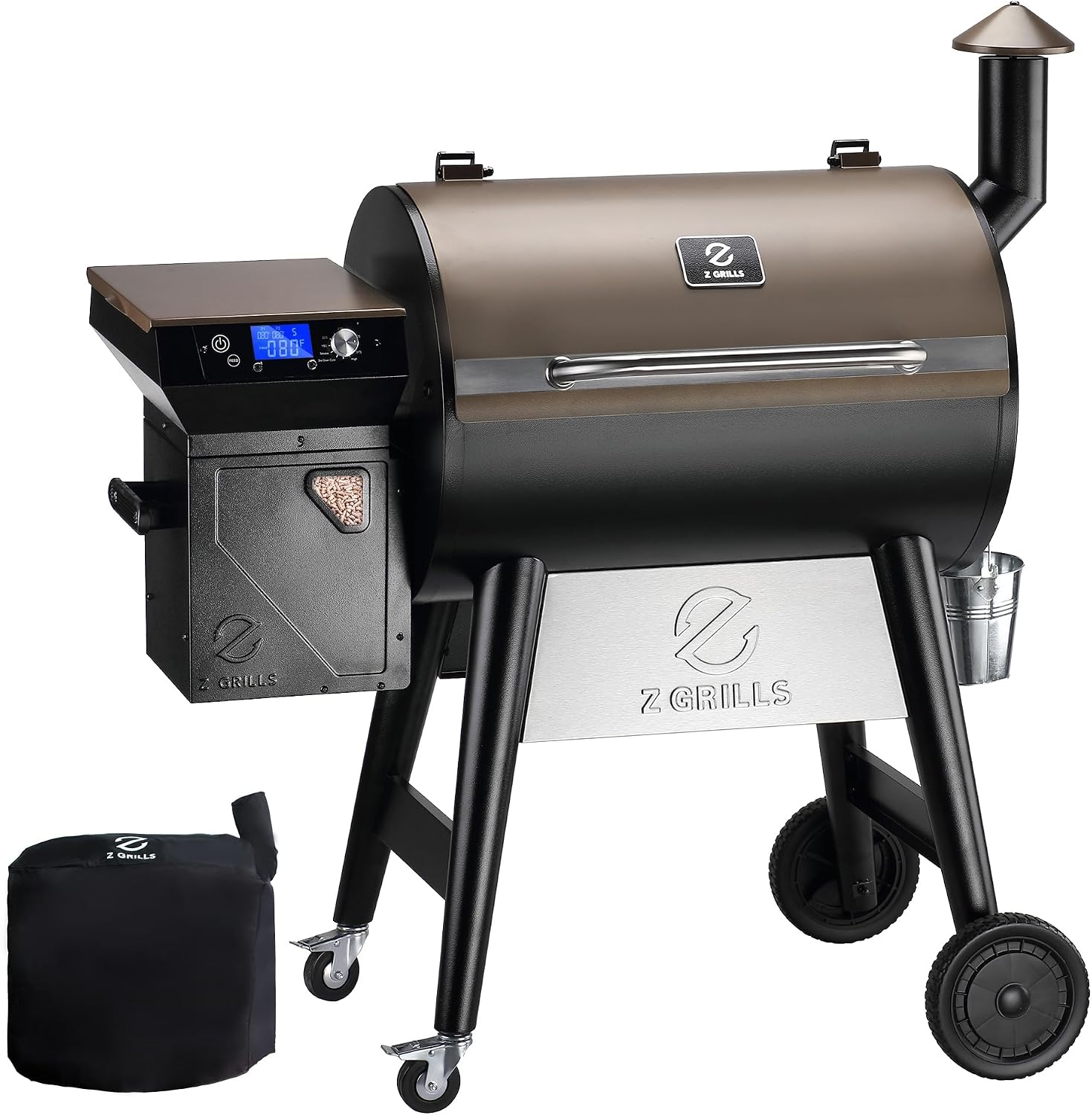
Full-size pick: Z GRILLS 7002C Wood Pellet Grill, PID 3.0 Controller,697 in sq
 Visit on Amazon →
This is the one I would set up for a packer. The 697 square inches of cooking surface is enough for a full brisket with room to move it when you need to, and the PID 3.0 controller is the part that matters at two in the morning. A proportional controller on a chamber this size is what separates a real overnight cook from a night of getting up every hour to check a dial. The larger chamber also recovers faster after you open the lid, which matters more than people admit, because every spritz is a request for the cooker to catch back up.
Flaws but not dealbreakers: A chamber this size wants a full hopper and a windbreak if your patio is exposed. It is also more grill than a two-person household needs, and you will burn more pellets per cook than you would on a smaller chamber because you are heating more steel.
Anyone cooking for a crowd, or running packers and pork shoulders on a regular schedule, should start here.
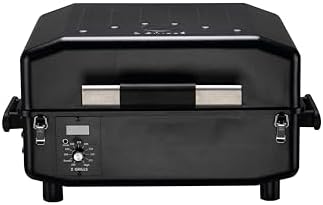
Small-space pick: Z GRILLS 2026 200A Pellet Grill & Smoker - 202 sq.in Compact Wood Pellet BBQ with PID 3.0 Precision Control, Auto Feed System, Portable Small-Space Grill for Camping & Backyard Cooking
 Visit on Amazon →
202 square inches, with the same PID 3.0 logic as the bigger grill, which is the reason it belongs in this conversation at all. Most compact pellet cookers cut the controller first, and a compact cooker with a sloppy controller is a toaster with a hopper. The auto feed system means you are not standing over it, and the footprint is small enough for a balcony, a tailgate, or the back of a truck.
What it will not do is hold a whole packer overnight. A brisket that fits on 202 square inches is a flat, not a packer, and a flat cooks differently. What it does well is the shorter overnight job: a pork butt, a couple of racks of ribs, or a chicken you want smoked rather than grilled. Small chambers recover slowly after you open the lid, so plan your spritzes and keep the door shut.
Flaws but not dealbreakers: Small chambers swing harder in wind and cold. If you cook in January, give it a spot against the house and check the hopper before bed.
Anyone in an apartment, a townhouse, or a camper who still wants real smoke flavor instead of a gas grill with a pellet tray should look here.
The actual overnight workflow
This is the cook, start to finish. Times are guidelines, not commandments, and the meat decides.
Step one: pick your number and write it down. 225 to 250 is the working window. Pick one temperature and commit to it, because a controller chasing a moving target will chase it all night. I run 250 for packers so the cook finishes inside a window I can control, and I tape the number to the hopper lid so I stop second-guessing myself at midnight.
Step two: fill the hopper and know your burn rate. Fill it before you light it, not after. Then do the math on your own cooker: if you know roughly how long a full hopper lasts at your temperature, you know whether you get to sleep. If the answer is four hours, set an alarm. There is no shame in that, and there is plenty of shame in a cold brisket at sunrise.
Step three: check the firepot before you light. Every cook. Empty the ash, look for warping, and make sure the igniter sits where it should. Most of the "my grill will not hold temp" complaints I hear trace back to a firepot that was never cleaned.
Step four: let it stabilize before the meat goes on. Give the cooker twenty to thirty minutes to come to temperature. A cooker that has not stabilized will overshoot when you open the lid, and that overshoot is what you spend the first hour chasing.
Step five: load the meat with the fat toward the heat. On most pellet cookers the heat comes from below, so fat down protects the meat. Put the thick end toward the hotter side of the chamber, because the thick end needs the help.
Step six: leave it alone. This is the hardest step. Every time you open the lid you dump heat and add time. Watch the temperature graph, not the meat, until the bark sets.
Step seven: wrap when the bark is set. For me that usually lands around 165 internal, but the number is a signal, not a rule. The bark should be dark and dry to the touch and the fat should be rendering. Wrap in butcher paper to keep the bark, foil if you want speed. Once it is wrapped, the cooker's job gets easier and the stall is behind you.
Step eight: cook to probe tender, then rest. A brisket is done when a probe slides in with almost no resistance, not when a thermometer says a number. Then rest it. An hour wrapped in a towel inside a cooler is the difference between good brisket and brisket people talk about the next week.
Where overnight cooks actually go wrong
Three failures account for almost every ruined night.
The first is a dirty firepot, which shows up as temperature that will not climb or will not hold. Clean it before every long cook, not every third one.
The second is a hopper that runs dry around hour five. Check it before bed even if your math says you are fine, because wind, cold, and a damp bag of pellets all change the burn rate.
The third is moisture in the pellets. Pellets that sit open in a humid garage turn to dust, and that dust is what jams an auger. Store them in a sealed container, and if a bag is full of dust, do not run it through a long cook.
The competition and why it lost
Stick burners and charcoal cabinets are not in this conversation. They are a different craft, and if that is what you want, I would rather point you at the right guide than pretend a pellet grill replaces them. A pellet cooker trades the purity of a live fire for repeatability, and repeatability is what an overnight cook is made of.
Within pellets, the thing I will not do is recommend a brand. I buy my own and I say which ones failed, but pellet brands are a moving target and the bag you buy in October is not the bag you bought in March.
What I will say is this: the two things worth paying for are the controller and the steel around the firepot. Everything else on the sheet is a feature you stop using by the second season.
What this all costs
Check current Amazon price on both cookers before you decide, because pellet grill pricing moves with the season and the sales calendar. Beyond the cooker itself, budget for pellets, which you will burn faster than you expect on a long cook, and for a decent thermometer, because you cannot manage a cook you cannot measure.
The math I actually run is cost per cook, not cost per grill. A cooker that holds temperature lets you buy packers on sale and cook them without babysitting, and that is where the money comes back. A cooker that swings and stalls costs you pellets, time, and one ruined brisket a year.
The short version
Pellet grill temperature stability is not a feature you shop for, it is a behavior you verify. Clean the firepot, fill the hopper, pick one number, and let the controller do the job you paid it to do. If you are cooking for a crowd and want the surface area for a packer, the full-size Z GRILLS 7002C is the one I would set up. If your space is small and your cooks are shorter, the compact 200A does the same work on a smaller scale.
Either way, the log is the truth. Write down what the cooker did, and next time you will know exactly what to trust.