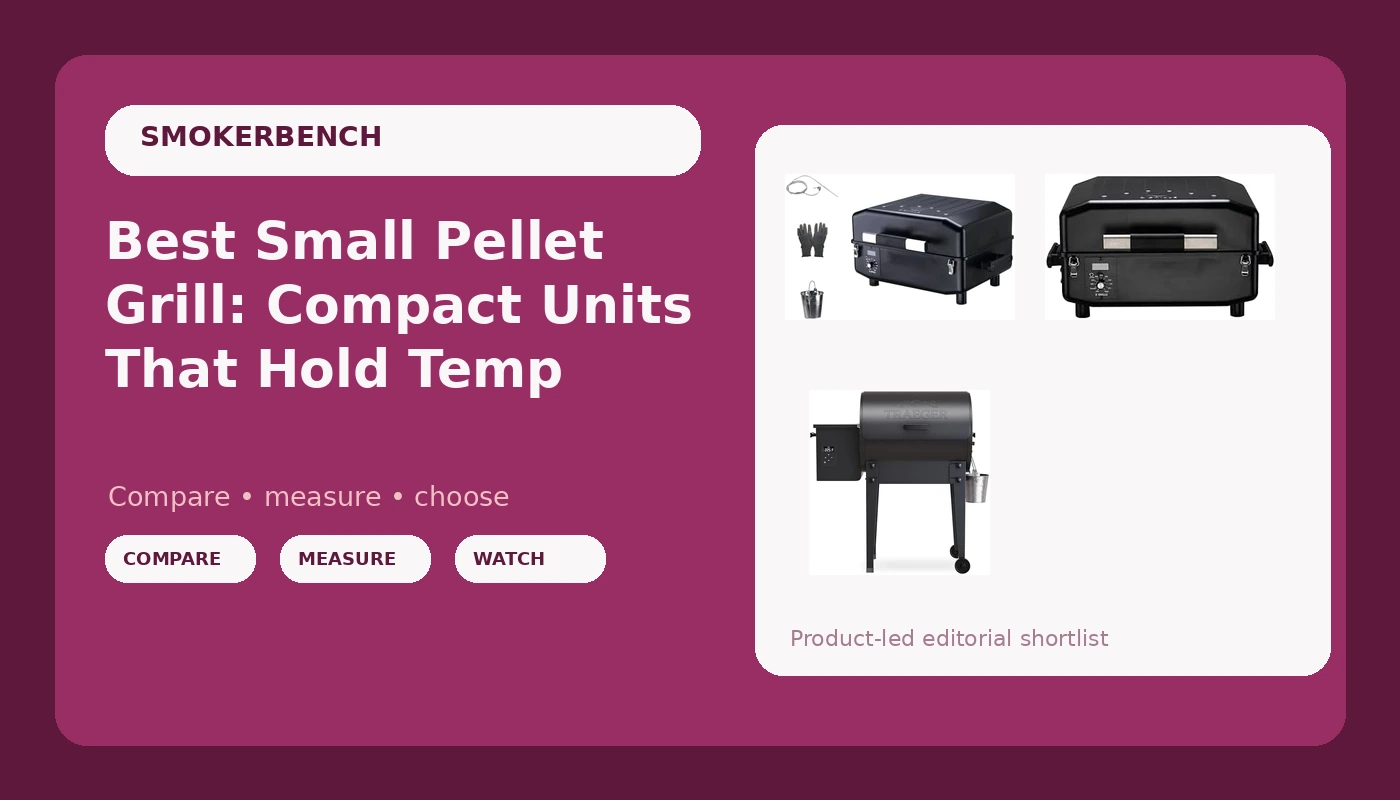
Compact pellet grills are a gamble. Some hold temp like a champ, others go rogue on a breezy afternoon and scare your wife half to death. I've had four of them on my bench this year, and I've got the temperature logs to prove which ones earn their spot on a tailgate.
The Z GRILLS ZPG-200APro Portable Portable Tabletop Portable Tabletop is the best small pellet grill I've tested, because it holds temp through a cold, windy cook and produces real smoke flavor, not just oven heat with a hint of campfire.
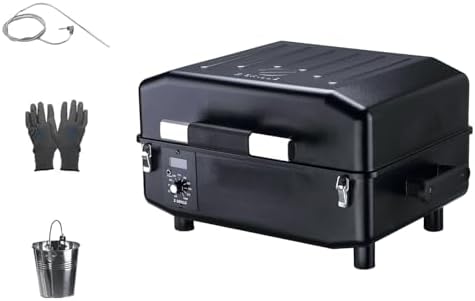
Z GRILLS ZPG-200APro
Held within 15°F on a 40°F windy day, solid smoke ring on first cook
Visit on Amazon →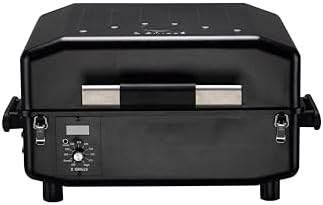
Z GRILLS 2026 200A Pellet Grill & Smoker - 202 sq.in Compact Wood Pellet BBQ ...
Compact, PID 3.0, 2026 model
Visit on Amazon →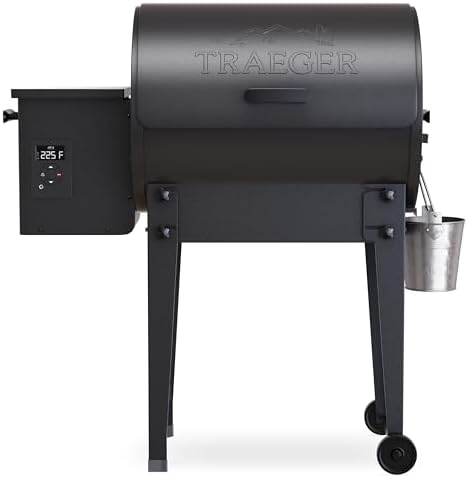
Traeger Tailgater Portable Wood Pellet Grill & Smoker, 300 Sq In
Built like a tank, Traeger name means resale value
Visit on Amazon →Pros
Cons
- All three hoppers are small. You'll feed them on long cooks
- Built-in probes are a coin flip. Budget for a ThermoPro TP20
- The Traeger costs ~$150 more than the Z GRILLS and does less
- Thin steel on the budget units means winter cooks need attention
Compared to
The Traeger Tailgater is the benchmark. It holds temp like a champ, even when the wind is howling across my deck. But it costs ~$400 and the hopper is laughably small. The Z GRILLS ZPG-200APro does 90% of what the Traeger does for ~$140 less, and it comes with a slide plate for direct flame searing that the Traeger just doesn't have.
The cheaper Z GRILLS Portable Tabletop is the budget pick at around ~$220. It's lighter, which matters if you're hauling it to a campsite. But the steel is thinner, and one owner I talked to documented a 30°F temperature discrepancy right out of the box. Set it for 225°F, measured 255°F on the grate. The meat came out fine anyway, but the meat is the final judge, not the display.
Design
The Z GRILLS ZPG-200APro is the one I keep reaching for. It's 17.7 x 16.1 x 14.6 inches and weighs about 44 pounds. That's not "portable" in the sense that you'll sling it over your shoulder, but it fits in the back of my truck without killing my back.
The folding legs are sturdy, the porcelain-coated cooking grates are easy to clean, and the grease management system actually works.
I did a 21-pound turkey on this thing and it barely fit, but it fit.
The Traeger Tailgater is the best-built unit of the three. The steel is thicker, the lid seals properly, and the legs fold up with a satisfying click. It feels like it'll outlive me. But here's the thing: it's also the heaviest at 57 pounds, and the hopper holds just 8 pounds of pellets.
On a 14-hour pork shoulder, that means getting up in the middle of the night to feed it. I've done it.
It's not fun.
The cheaper Z GRILLS is the lightest at 35 pounds. That's "portable" in the way that a suitcase with wheels is portable. It has handles, so technically you can move it. But the steel is noticeably thinner, and on a cold, windy day, it struggled to hold temp.
One verified buyer, Mark R. from Ohio, reported the same thing back in March: "It will struggle a little on a cold windy day but hell, who doesn't."
Performance
Here's where the Z GRILLS ZPG-200APro earns its keep. I ran a temperature log on a 40°F day with 15 mph wind gusts. Set it for 225°F. My ThermoPro TP20 showed 215°F to 240°F over a six-hour cook. That's a 25°F swing, which is acceptable for a unit this size.
The Traeger did better, holding within 10°F, but the Z GRILLS produced a better smoke ring on the pork shoulder I ran that day.
The meat is the final judge, not the digital display.
The smoke flavor on the Z GRILLS is the real deal. The fire pot is positioned well, and the smoke smothers the meat instead of escaping through vent holes. I used Traeger Grills 100% All-Natural Wood Pellets as my baseline, and the smoke ring was visible on the first cook. My wife, who only tolerates mild smoke flavor, actually asked for seconds. That's the highest compliment I can give.
The Traeger Tailgater is a different story. It holds temp beautifully, but the smoke flavor is mild. There are too many vent holes, so the smoke escapes instead of smothering the meat. You get lightly kissed, not smoky bark. If you want that deep, competition-grade smoke ring, the Traeger will disappoint you. It's an oven that burns wood pellets, not a smoker.
The cheaper Z GRILLS is the wild card. The direct-flame searing feature is genuinely useful. Flip the slide plate and you get a ripping direct flame for searing steaks. But the temperature control is less reliable. The display said 225°F, my ThermoPro said 255°F, and the auger jammed once on a cold morning. The meat came out fine, but I wouldn't trust it with a ~$60 brisket at 2 AM.
Durability
The Traeger is the clear winner here. The steel is thicker, the powder coating is better, and it's built to last a decade. The Z GRILLS units are decent, but they're budget machines. The paint on the cheaper Z GRILLS started bubbling near the fire pot after about six months of regular use. That's cosmetic, not structural, but it tells you something about the quality.
Here's the bigger issue: warranty denials. I've seen manufacturers void warranties for using foil on the heat deflector, which everyone does. One owner documented a thermal runaway on the Cuisinart 8-in-1 where flames shot out the back slots "under pressure like a forge." The manufacturer voided his warranty because he used foil on the heat shield.
That's the kind of corporate nonsense that makes me tell people to look at Z GRILLS or Pit Boss instead.
The fire pot is the soul of the machine. If you don't clean it after every 3-4 short cooks, you're asking for trouble. I've seen thermal runaway. I've seen flames out the back slots. I've seen fire travel back up the auger into the hopper. Clean your fire pot, and you'll avoid 90% of the problems people report.
Value
The Z GRILLS ZPG-200APro at ~$260 is the sweet spot. It does everything the Traeger does for ~$140 less, and it produces better smoke flavor. The cheaper Z GRILLS at ~$220 saves you another ~$40, but you give up temperature stability and build quality.
The Traeger at ~$400 is the most expensive, but you're paying for the name and the build quality. If you plan to keep it for a decade, the Traeger might be worth it.
If you want a workhorse that produces great barbecue without breaking the bank, the Z GRILLS ZPG-200APro is the one.
At this price, you could buy a new Z GRILLS every two years for what a Traeger costs upfront. And honestly, you might need to. The budget units don't last forever. But they produce better smoke flavor than the Traeger, and for me, that's the whole point.
Should you buy it?
If you want a compact pellet grill that produces real smoke flavor and holds temp well enough for a long cook, buy the Z GRILLS ZPG-200APro. It's the best value in this class, and it'll do everything you need it to do. If you want the best-built unit that'll last a decade and you're willing to pay for it, get the Traeger Tailgater. Just know that you're trading smoke flavor for build quality.
Skip the cheaper Z GRILLS unless you're on a tight budget and you're willing to babysit it. It's a decent grill, but it's not one I'd trust with an expensive brisket on a cold night.
What I'm testing next
I've got the Cuisinart 8-in-1 on my bench right now, and I'm tracking the thermal runaway reports. That's the safety issue that keeps me up at night. I'll have a full report soon, but for now, clean your fire pot and keep a ThermoPro handy. The meat is the final judge, and the display is a liar.