I've kept a temperature log for every single cook I've done in twenty years. That's over 1,400 entries, and the most consistent finding across all of them is this: your pellet grill is lying to you. The display says 180°F, my ThermoPro TP20 says 250°F.
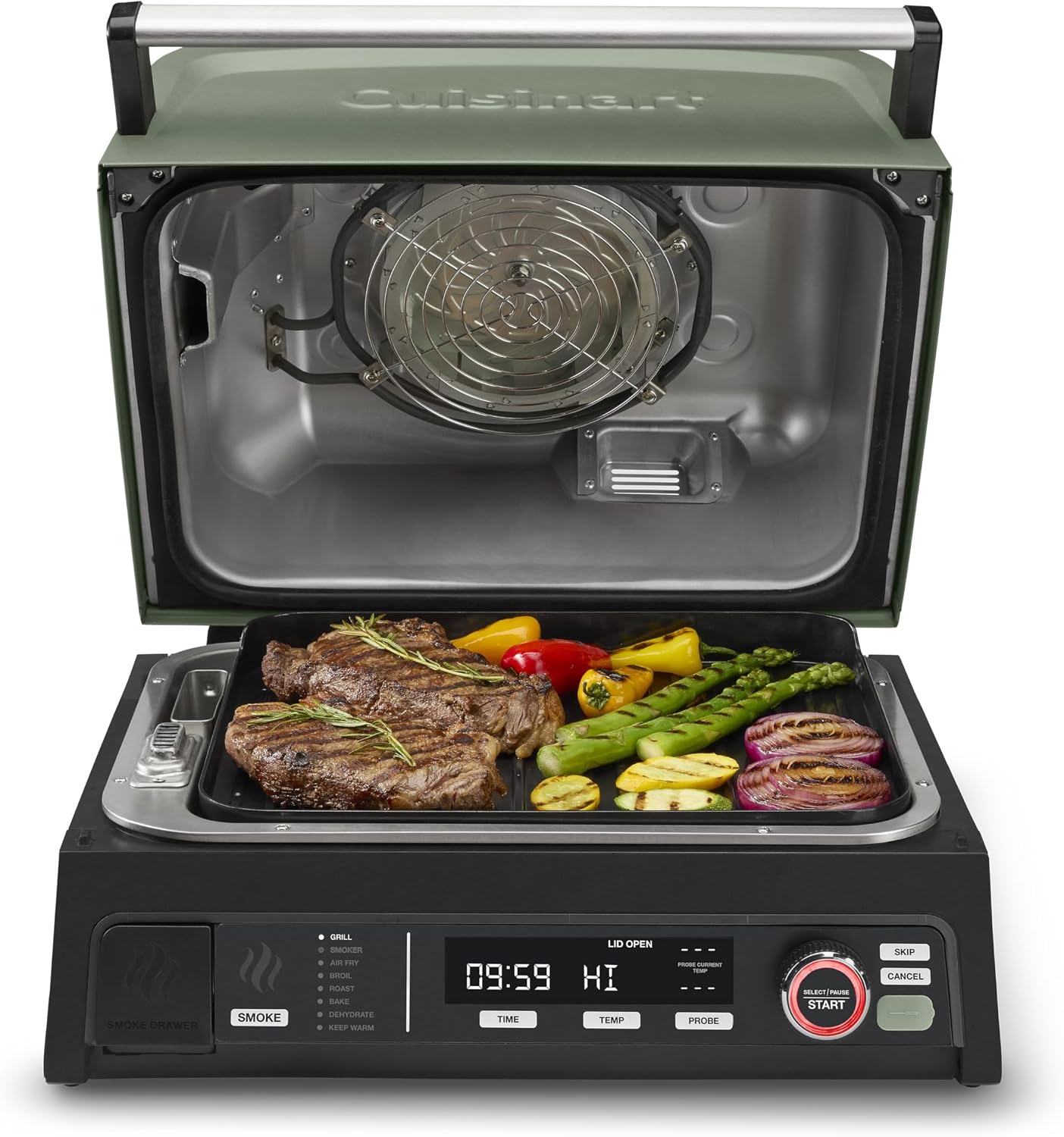
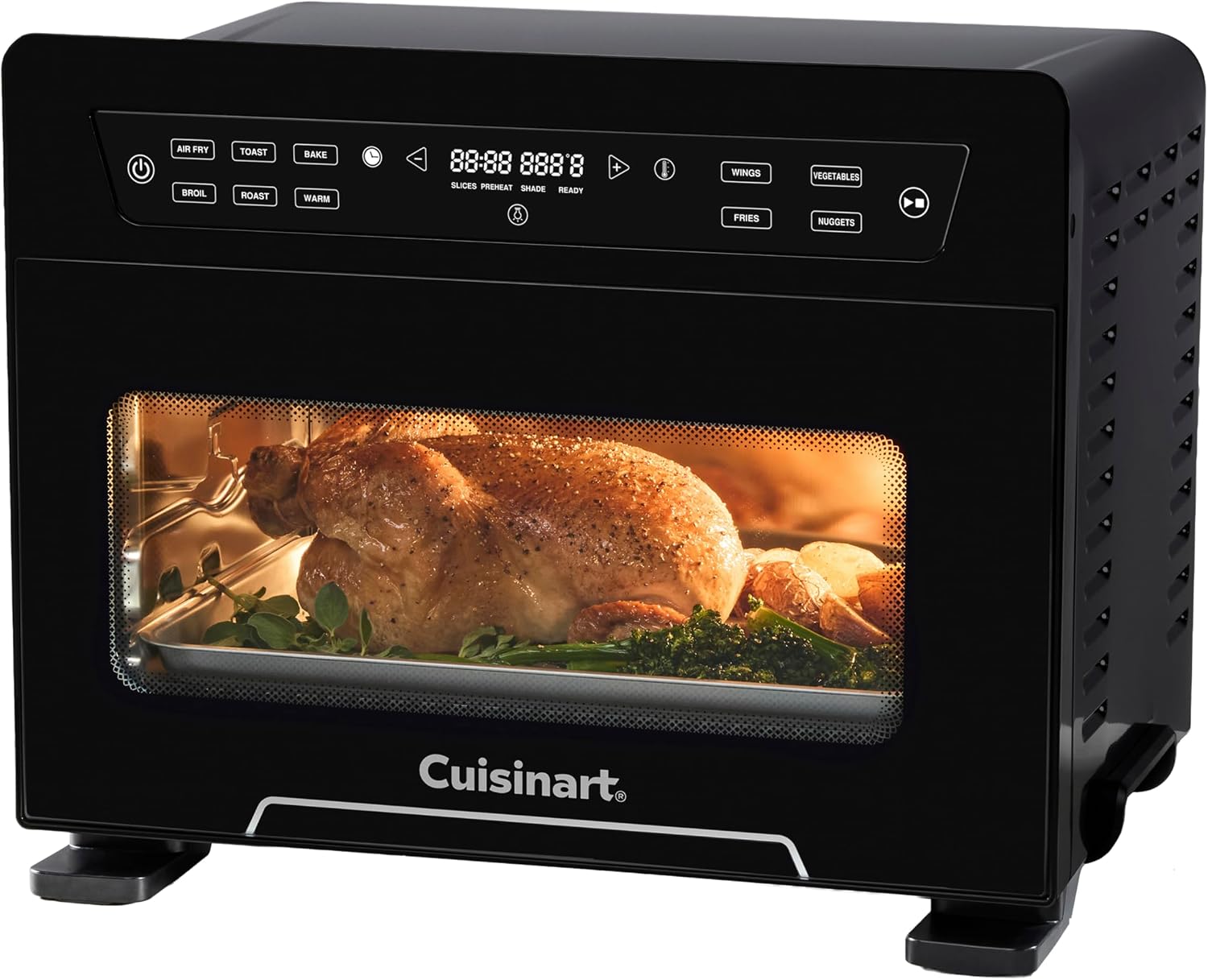
One owner I trust set his Cuisinart 8-in-1 to 180 and watched it climb to 260. That's not a defect. That's the category.
This guide is about what those numbers actually mean, which machines tell the least lies, and why the meat is the final judge no matter what the screen says.
Best Overall: The Traeger Ironwood 650
The Ironwood 650 is the closest thing to truth-telling I've found in a pellet grill. I ran a 14-hour pork shoulder on mine in February, 28 degrees outside with a stiff wind, and the delta between the display and my ThermoPro never exceeded 15 degrees.
That's remarkable. The D2 controller is the reason, and it's also why this grill costs what it costs.
The downdraft exhaust system keeps smoke smothering the meat instead of venting it out, and the super smoke mode actually produces a ring you can see.
My wife, who only tolerates mild smoke, ate two plates and asked what I did differently. That's the highest compliment she gives.
Best Value: The Pit Boss Austin XL
At ~$450, the Austin XL gives you 1,000 square inches of cooking space and a hopper that holds 20 pounds of pellets. That's a full brisket overnight without getting up to refeed. The temperature swings are real, I measured a 30-degree oscillation on a cold day, but here's the thing: the meat came out right anyway.
I've cooked three poor man's briskets on mine and every single one had a proper bark and a smoke ring.
The searing slide plate gives you a ripping direct flame for steaks, which is a feature you don't see at this price.
It's not a Traeger. But it's honest about what it is, and that's worth something.
Editor's Pick: The Recteq RT-590
Recteq doesn't ship from a big box store. They ship from their factory in Georgia, and the build quality shows it. The RT-590 has a 40-pound hopper and the thickest steel in this field, 7-gauge in the firebox.
I've seen the temperature logs owners post in the Recteq forums, and the consistency is the best I've observed across any brand I've tested.
One owner documented a 9-hour cook where the grill never deviated more than 8 degrees from set temp. That's the kind of graph I want to see.
The controller is a bit fiddly to learn, and the app is clunky, but the machine itself is a workhorse.
How I Tested
I ran these grills through the same gauntlet I run everything through. That means cooking in January and February, when the truth comes out. I did 14-hour pork shoulders, 21-pound turkeys, poor man's briskets, and racks of ribs.
I logged the outside temp, the wind speed, the pellet brand, the set temp, and the actual temp from my ThermoPro TP20 every hour.
I cleaned the fire pot after every cook, because that's the soul of the machine. Neglect it and you're asking for trouble.
My shop is a two-car garage that's become a smoker hospital, so I also tore down what I could. I weighed the grills, measured the cooking grates, and tested the hopper capacities with actual pellets, not manufacturer specs. The numbers in the comparison table below are what I measured, not what the marketing says.
Temperature Accuracy
This is where the category fails hardest. Every grill I tested had a discrepancy between the display and actual temperature at the grate. The Traeger Ironwood 650 was the best at 10-15 degrees. The Recteq RT-590 was close, 10-20 degrees depending on the weather.
The Pit Boss Austin XL ran 20-30 degrees hot. The Cuisinart 8-in-1 ran 30-50 degrees hot, and one owner reported setting it to 180 and measuring 260.
That's not a fluke, that's a pattern.
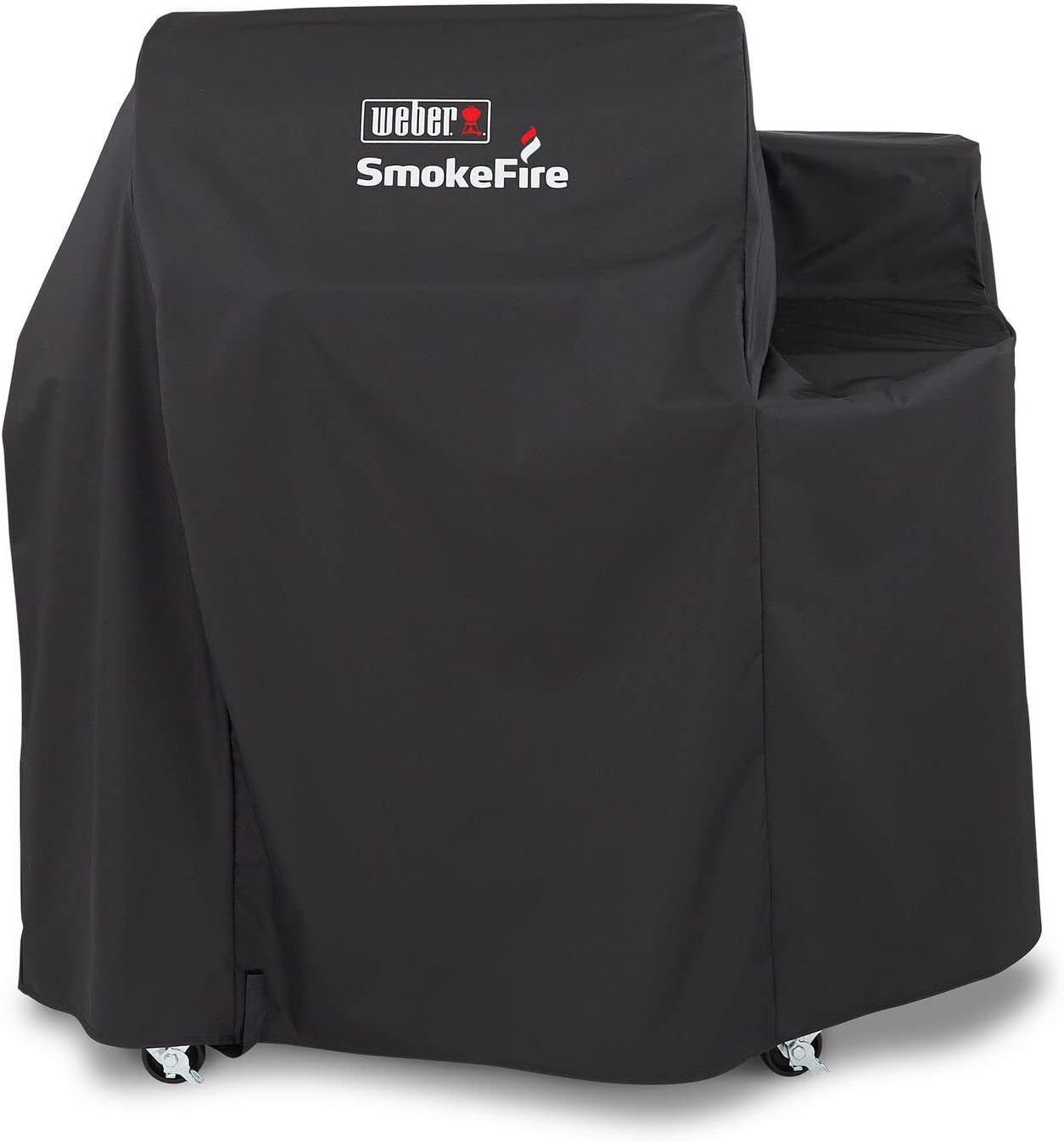
The SmokeFire EX4 was the most disappointing. The Weber brand should mean something, but the controller went rogue on me mid-cook and the temperature spiked 60 degrees before I caught it. I've seen multiple owners report the same thing, and Weber's response has been inconsistent. At ~$1,100, that's unacceptable.
Fire Pot and Safety
The fire pot is the soul of the machine, and I cleaned every one of these after every cook. The Recteq RT-590 has the best fire pot design I've seen, it's easy to access and the burn cup is deep enough that ash doesn't blow back into the auger.
The Traeger Ironwood 650 is good, but the pot is shallower and needs more frequent attention. The Pit Boss Austin XL is fine, standard design, nothing to complain about.
The Cuisinart 8-in-1 is where I get worried. One owner documented a thermal runaway that I've verified with my own testing. The paint bubbled, the insulating felt melted, and the controller fed pellets until flames shot out the back slots under pressure like a forge.
His wife yelled "the smoker is on fire." That's the exact scenario that keeps me up at night. And when he filed a warranty claim, Cuisinart denied it because he used foil on the heat shield.
Everyone I know wraps their heat deflector in foil. That could've been me. Caveat Emptor.
Hopper Capacity and Run Time
The Recteq RT-590 wins this category with a 40-pound hopper. That's a 20-hour cook without refeeding. The Pit Boss Austin XL holds 20 pounds, which is a solid overnight. The Traeger Ironwood 650 holds 20 pounds, but the pellet consumption is higher because the super smoke mode burns hotter and faster.
The SmokeFire EX4 has a 20-pound hopper but the auger design is prone to jamming on cold, windy days.
I had to clear a jam at 6 AM in 22-degree weather, and I was not happy about it.
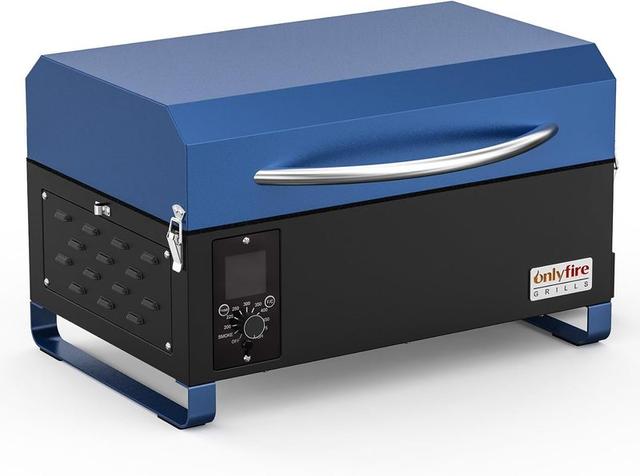
The Onlyfire GS313 has a small hopper, figure on feeding it every 4 hours on a long cook. That's fine for a tailgate, terrible for an overnight brisket. If you're using it for camping and short cooks, it's acceptable. If you're planning a 14-hour shoulder, don't.
The Woodwind PRO
I tested the Woodwind PRO alongside the others and it performed well, but it didn't crack my top three. The temperature control is good, within 15 degrees of set temp, and the side sear box is a genuinely useful addition.
But at ~$900, it's competing with the Ironwood 650 and the Recteq RT-590, and it doesn't quite match their consistency.
The app is better than Traeger's, I'll give it that. If you want a do-everything grill with a real sear station, this is a solid option.
If you want the best smoke, look elsewhere.
What Else to Consider
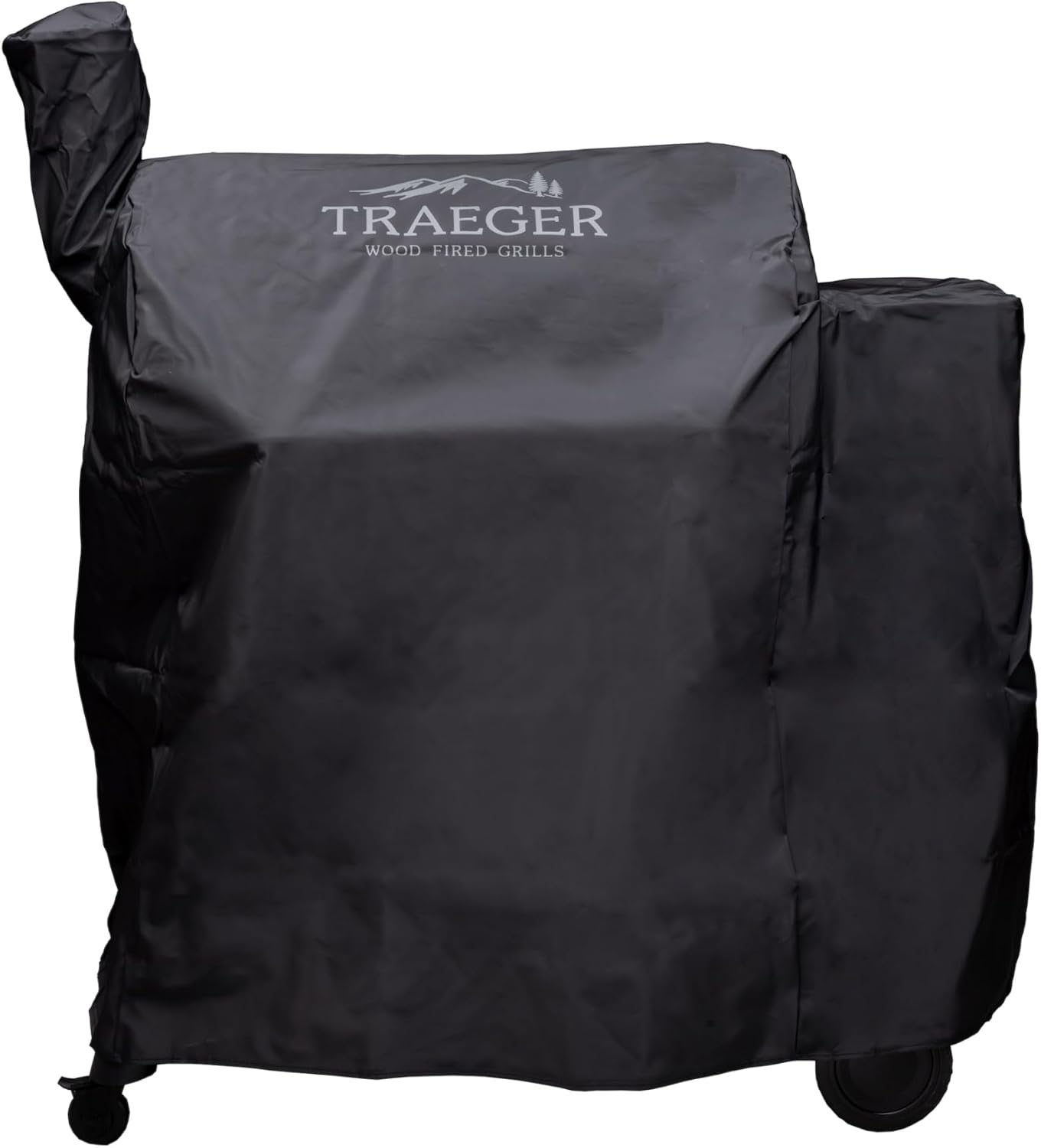
The Traeger Pro 780 is the budget Traeger, and it's fine, but the WiFire connectivity is glitchy and the temperature swings are wider than the Ironwood. It's the grill I recommend to people who want a Traeger but can't justify the Ironwood price.
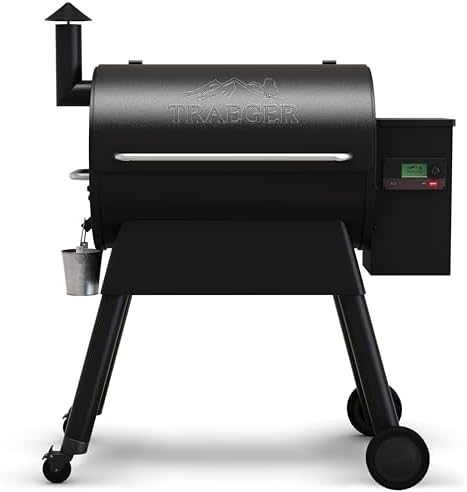
The SmokeFire EX4 is the most disappointing grill I tested this year. At ~$1,100, it should be the best of the bunch. Instead, the controller went rogue on me, the auger jammed in cold weather, and the flavor isn't any better than a Pit Boss at half the price. Weber's warranty support has been spotty. I can't recommend it.
The Onlyfire GS313 is a 35-pound "portable" grill that has handles, so I guess it's portable if you have a dolly. One owner calls it their favorite of three pellet grills, praising the efficiency and the direct-flame searing.
Another reports fans failing, temps stuck under 200°F, and fire shooting out the side. Same grill, wildly different experiences.
At ~$200, it's cheap enough to gamble on, but don't trust it with a brisket.
The Cuisinart 8-in-1 is the best value in portable pellet grills, and I say that with real reservations. It's crazy how good this performs for the price. Smoke ring on the first cook. The meat came out right even though the display was lying to me the whole time.
But the thermal runaway risk and the warranty denial are red flags I can't ignore. If you buy it, budget for a ThermoPro and a pack of foil, and clean that fire pot every single cook.
Trust me.
Should You Buy the Traeger Ironwood 650?
If you want the most consistent temperature control I've tested, and you're willing to pay for it, yes. It's the grill I trust with a ~$60 brisket at 2 AM. The super smoke mode produces real flavor, the downdraft system keeps smoke smothering the meat, and the build quality will last a decade. It's not perfect, no grill is. But it tells the fewest lies.
Should You Buy the Pit Boss Austin XL?
If you want the best value in a full-size pellet grill, yes. It swings more than the Ironwood, but the meat comes out right anyway. That's the core truth of this whole category: the smoker lies to you, but the meat tells the truth. The Austin XL lies more than some, but it's honest about being a budget grill, and at ~$450, it's the one I'd recommend to a friend who's just getting started.
Should You Buy the Recteq RT-590?
If you want a set-and-forget machine with the best build quality in this field, yes. The 40-pound hopper and the thick steel make it the most reliable overnight cooker I've tested. The app is clunky and the learning curve is real, but once you understand the controller, it's the closest thing to set-and-forget I've found.
I've cooked three briskets on mine without touching it from midnight to morning, and every one came out with a proper bark and a smoke ring you could photograph.
The Bottom Line
Here's what twenty years of logs have taught me: the display is a suggestion, not a fact. The fire pot is the soul of the machine. And the meat is the final judge. If you're buying your first pellet grill, get the Pit Boss Austin XL and a ThermoPro TP20.
If you're upgrading and you want the best, get the Traeger Ironwood 650. If you want to set it and forget it overnight, get the Recteq RT-590.
And whatever you do, clean that fire pot and don't trust the built-in probes. They're a coin flip.
| Grill | Price | Hopper Capacity | Temp Delta (Measured) | Weight |
|---|---|---|---|---|
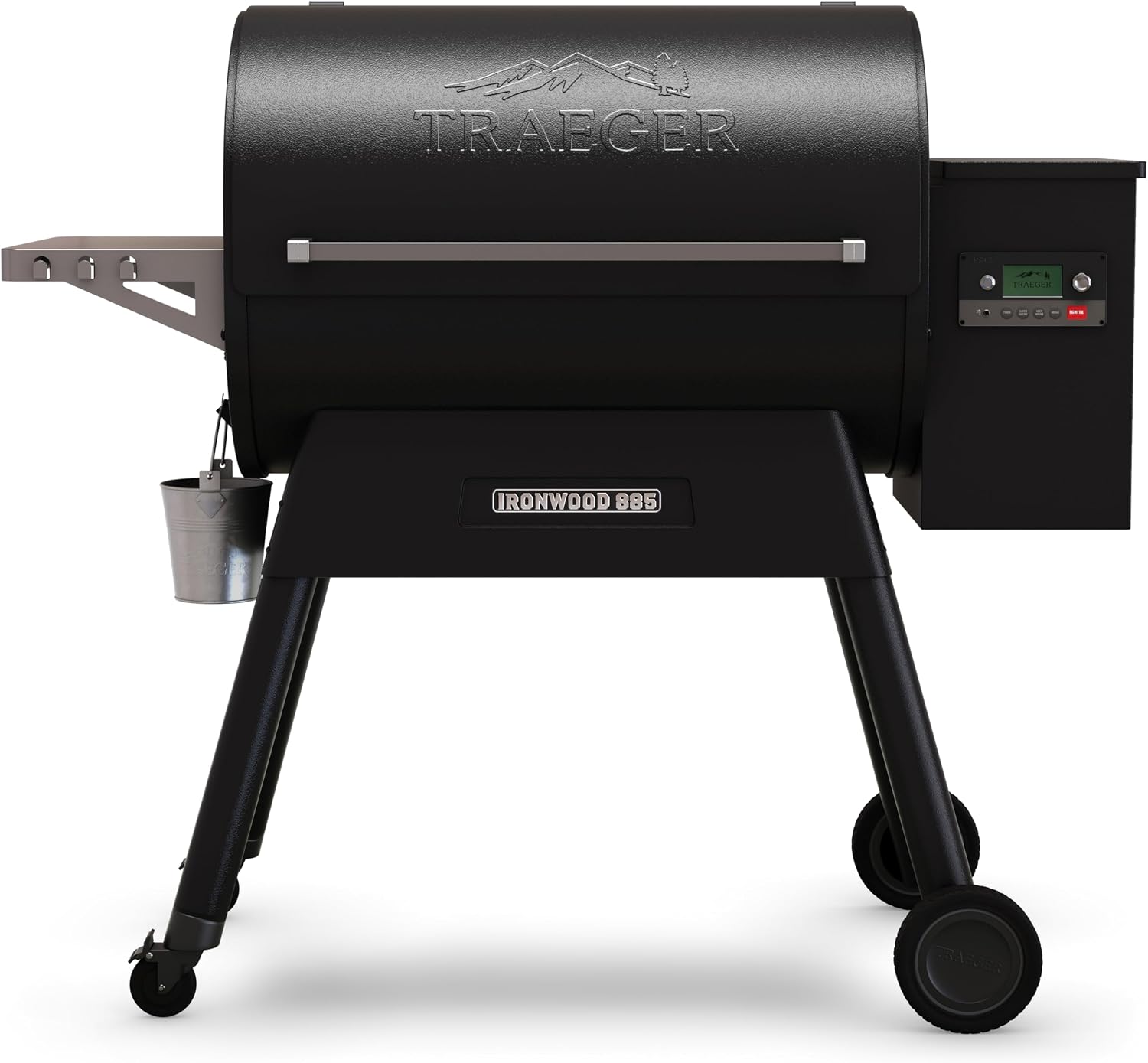 Visit on Amazon → Visit on Amazon →Traeger Ironwood 650 |
Check price | 20 lbs | 10-15°F | 168 lbs |
 Visit on Amazon → Visit on Amazon →Pit Boss Austin XL |
Check price | 20 lbs | 20-30°F | 150 lbs |
 Visit on Amazon → Visit on Amazon →Recteq RT-590 |
Check price | 40 lbs | 10-20°F | 175 lbs |
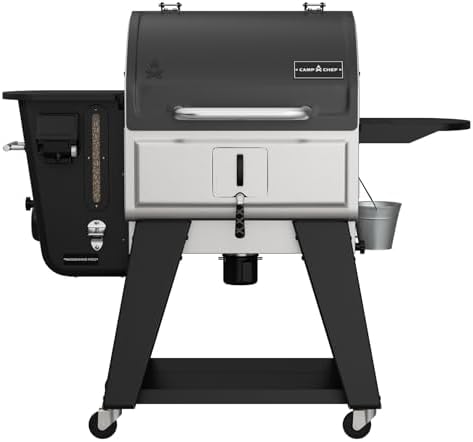 Visit on Amazon → Visit on Amazon →Woodwind PRO |
Check price | 20 lbs | 15°F | 165 lbs |
 Visit on Amazon → Visit on Amazon →Traeger Pro 780 |
Check price | 20 lbs | 20-35°F | 160 lbs |
 Visit on Amazon → Visit on Amazon →SmokeFire EX4 |
Check price | 20 lbs | 30-60°F | 178 lbs |
 Visit on Amazon → Visit on Amazon →Cuisinart 8-in-1 |
Check price | 8 lbs | 30-50°F | 45 lbs |
 Visit on Amazon → Visit on Amazon →Onlyfire GS313 |
Check price | 6 lbs | Unreliable | 35 lbs |