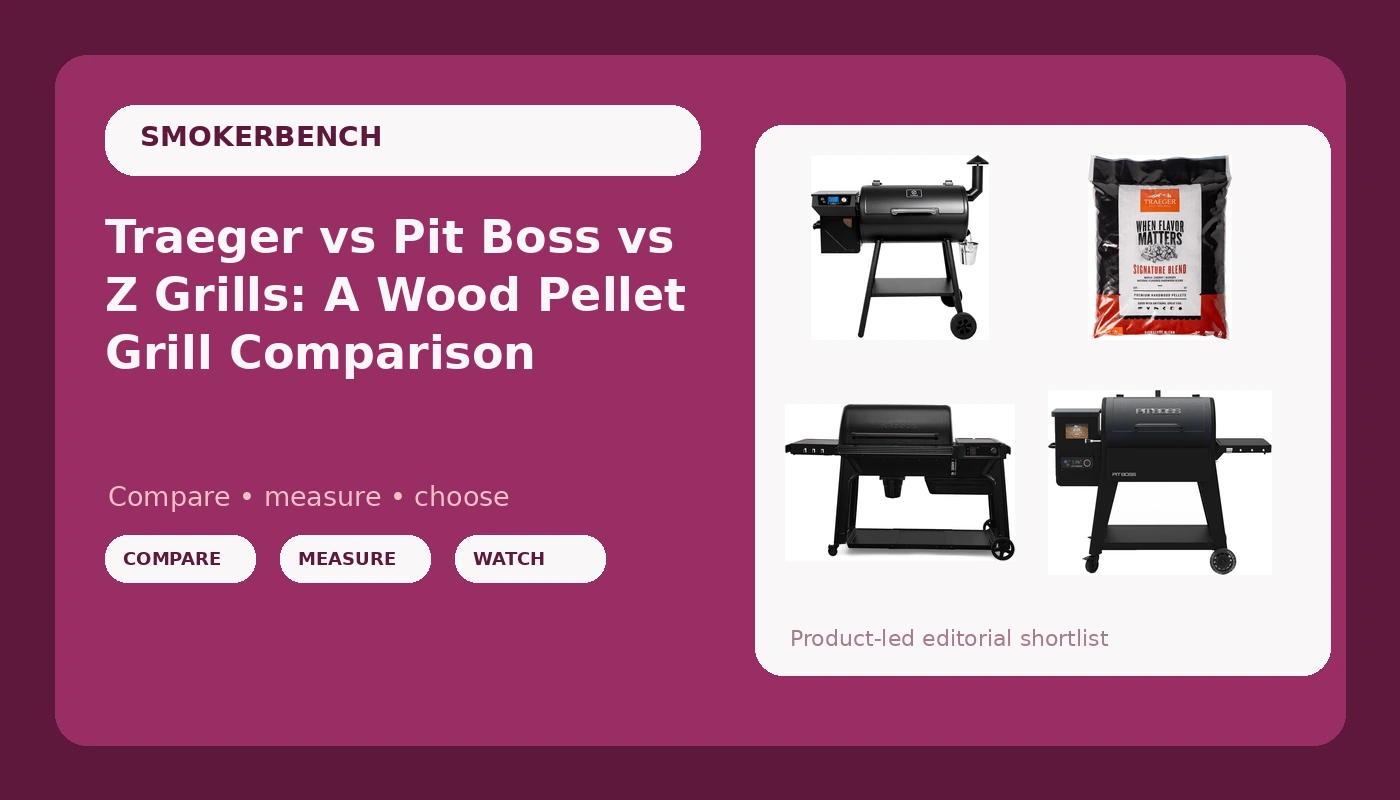
I keep a temperature log for every cook. Fourteen years of KCBS judging and more briskets than I can count have taught me that the grill is the least glamorous variable in barbecue and the most important one. The rub is simple. The wood is simple. The fire is where cooks lose, usually at 2 AM, usually because nobody asked what the controller does when the wind picks up.
That is why this wood pellet grill comparison is built around a single question: which of these machines gives you the best chance of holding temp while you sleep? I am not interested in which one looks best on a patio, or which app has the prettier graph. I am interested in cook area, hopper capacity, controller type, and what happens to the firepot after a long cook.
Related: Pellet Grill Temperature Swings Explained
The best pellet grill for most people in this comparison is the Pit Boss 850 Navigator, because a 932 square inch cook chamber, a 30 pound hopper, and a 180 to 500 degree range cover brisket, ribs, and weeknight chicken without asking you to refill anything at midnight. The Traeger Woodridge Pro is the better ecosystem and app experience, and the Z Grills ZPG-550B2 is the smartest entry point if you are still deciding whether pellet cooking deserves your counter space.
One disclosure before the table. I have not run a full packer on every unit listed here, and I will not pretend otherwise. What I can do is read a spec sheet the way a judge reads a scorecard, and I have spent enough hours next to pellet grills to know which specs are marketing and which ones show up in the log at hour eight.
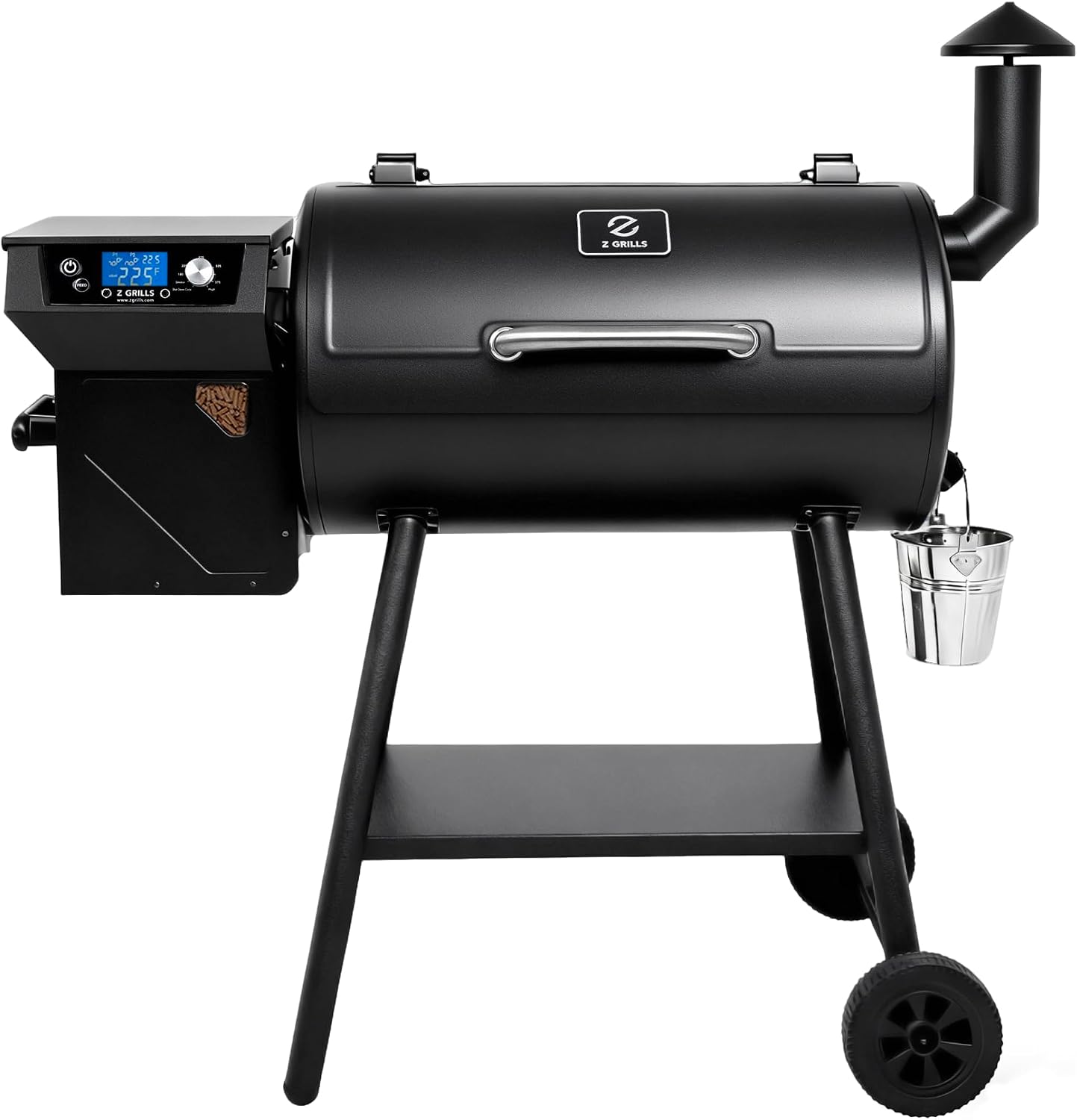
Z GRILLS ZPG-550B2 Wood Pellet Grill & Smoker with PID 3.0 Controller
PID 3.0 controller, 553 sq in of cook area, meat probe included, hopper cleanout, and 8 in 1 versatility at the value end of the ladder
Smallest cook chamber in this group, no WiFi listed, and one probe means one temperature to trust
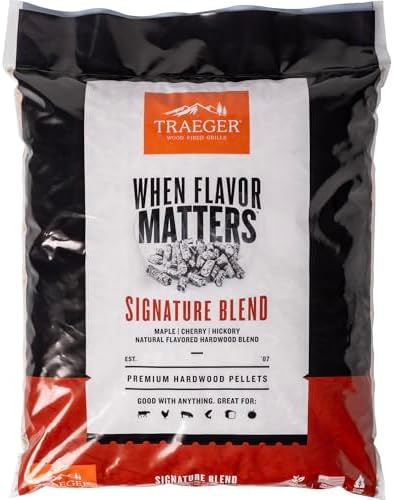
Traeger Grills Signature Blend 100% All-Natural Wood Pellets, 18 lb. Bag
A consistent all-natural hardwood blend built for smoke, bake, and roast, in a bag size that suits a hopper top-off
One blend for everything, and you pay the brand premium per pound
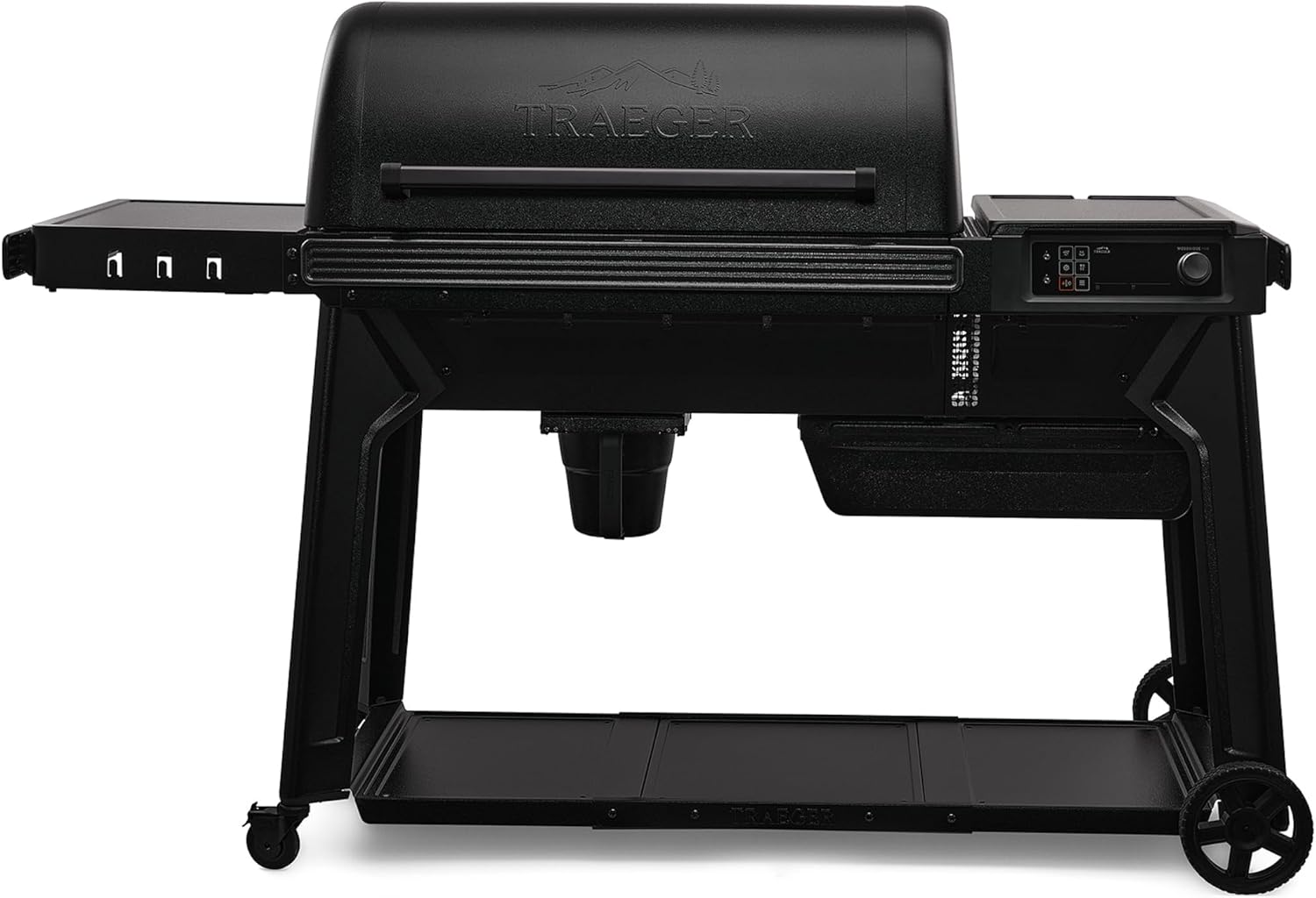
Traeger Woodridge Pro Wood Pellet Grill & Smoker, 970 Sq In, WiFi
The largest cook area here at 970 sq in, WiFi control, and the Traeger ecosystem behind it
You pay for the name, and the ecosystem works best when you stay inside it
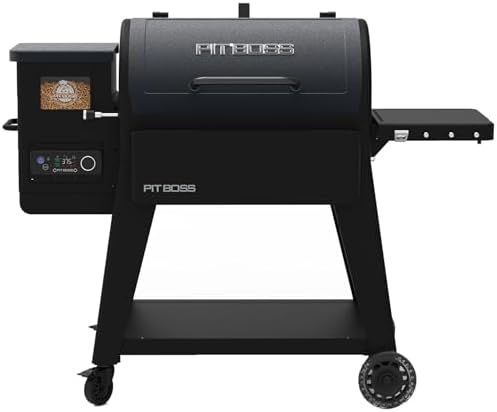
Pit Boss 850 Navigator Series WiFi & Bluetooth Wood Pellet Grill & Smoker
932 sq in, a 30 lb hopper, a 180 to 500 degree range, flame broiler for direct sear, WiFi and Bluetooth, LCD controller, and a meat probe
Pit Boss welds are the first thing I inspect on any of their grills, and the firepot is where they cut corners
Prices and availability were captured from Amazon Creators API and may change.
What I measure before I trust a grill
Four things decide whether a pellet grill earns a spot in my yard, and none of them are on the front of the box.
The first is the controller. A true PID controller adjusts pellet feed in small increments and reacts to what the probe is reading. Cheaper on and off controllers wait for a swing and then dump pellets to correct it. The Z Grills ZPG-550B2 ships with a PID 3.0 controller, and the Pit Boss 850 Navigator runs an LCD digital controller, so both are in the modern camp. That matters more than any sear-marketing claim you will read this year.
The second is cook area relative to the cooks you actually do. A 553 square inch chamber is a packer brisket with a little room to spare. A 932 or 970 square inch chamber is a brisket plus two pork shoulders, which is what a neighborhood cookout looks like in Kansas City.
The third is the hopper, and I will die on this hill. Hopper capacity is not a camping spec. It is the difference between sleeping and setting an alarm. A 30 pound hopper on the Pit Boss 850 Navigator is a genuine overnight advantage, and it is the kind of number that never shows up in a photo.
The fourth is the firepot and the steel around it. Thin steel warps. A warped firepot changes airflow, airflow changes combustion, and combustion is what your temperature graph is actually recording.
Z Grills ZPG-550B2: PID control at the entry point
The Z Grills ZPG-550B2 is the grill I would hand a neighbor who has never cooked with pellets. A PID 3.0 controller, 553 square inches of cook area, an included meat probe, and a hopper cleanout cover the fundamentals, and the 8 in 1 framing is honest enough: this machine will smoke, roast, bake, and grill, and it will do all of them competently.
The hopper cleanout deserves a specific mention. Emptying a hopper is the chore nobody thinks about until they change blends or store a grill for the winter, and a cleanout that lets you dump pellets without scooping with a cup is the kind of feature that makes a grill get used more often. It is a cousin of the ash cleanout design I have praised on other cookers, and it solves the same real problem: maintenance that takes ten minutes gets done, maintenance that takes an hour does not.
The trade-off is size and connectivity. 553 square inches is real but not generous, and there is no WiFi listed here. One meat probe means you are trusting a single reading, so if you like to monitor a brisket and a pork butt at once, you will be adding probes. For a first pellet grill, none of that is disqualifying. For a household that cooks for a crowd every weekend, it is the reason to keep reading.
Pit Boss 850 Navigator: the value pick with one caveat
Here is the grill I would buy with my own money from this list. The Pit Boss 850 Navigator Series stacks 932 square inches of cook space, a 180 to 500 degree temperature range, a 30 pound hopper, WiFi and Bluetooth, an LCD digital controller, and a meat probe into one package, and it adds a flame broiler for direct searing. That last feature is what separates a pellet grill you cook on from a pellet grill you cook on happily. Being able to slide the broiler open and finish a steak over direct heat means you stop keeping a second grill for weeknights.
The temperature range is the other quiet win. A 180 degree floor is where you cold-smoke and hold, and a 500 degree ceiling is where you sear and finish. Grills that stop at 450 make you choose between a hopper and a cast iron pan.
Now the caveat, and I say this as someone who has watched Pit Boss grills earn their reputation: check the welds around the firepot before you commit. Pit Boss is the value king in this category, and value has to come from somewhere. The firepot is where they cheap out, and a firepot that rusts or warps turns a stable 225 into a guessing game by hour six. If the welds on your unit look clean and the firepot steel feels substantial, you got the best deal in this comparison. If they look rushed, use the return window. Inspect the unit, not the marketing.
Traeger Woodridge Pro: the ecosystem pick
The Traeger Woodridge Pro is the largest cooker here at 970 square inches, and it comes with WiFi, which in practice means you can watch a graph from the couch. Traeger is the Apple of pellet grills: the experience is polished, the app is the best in the category, and everything plays nicely together as long as everything is Traeger.
That is the honest pitch, and the honest criticism. You pay for the name. The closed ecosystem starts with pellets and accessories and ends with a shopping habit, and the Woodridge Pro's appeal is strongest for the cook who wants one app, one brand, and no decisions. If you already own Traeger gear, the Woodridge Pro is the obvious upgrade and I would not argue with you for a second.
If you do not, compare what 970 square inches and WiFi cost you against 932 square inches, a 30 pound hopper, and a flame broiler. That is the whole comparison in one sentence.
Traeger Signature Blend pellets: the variable everyone forgets
Pellet quality decides more of your final product than the size of your firepot, and I will keep saying it until it sticks. The Traeger Signature Blend is a 100 percent all-natural hardwood blend designed to work across smoking, baking, and roasting, sold in an 18 pound bag. That is a sensible default for anyone who does not want to think about wood selection, and a consistent blend is worth real money when you are trying to repeat last weekend's cook.
What it will not do is give you variety. One blend means one flavor profile, and cooks who chase a specific smoke profile will want more than one bag on the shelf. I do not endorse pellet brands, and I buy my own, so here is the neutral version of the advice: buy fresh, store dry, and pay attention to dust at the bottom of the bag. Dust is what turns into an auger jam at hour six, and an auger jam at hour six is how a $60 brisket becomes a lesson.
The trade-offs nobody puts on the spec sheet
WiFi is a convenience, not a feature, and I say that as a man who checks his temperature graph every twenty minutes. Every app in this category eventually loses a connection at 11 PM. Plan for it: keep a standalone probe in the drawer, and never trust a phone as your only alarm.
Footprint is the second trade-off. A 932 or 970 square inch cooker takes up patio space, and the hopper adds to the length. Measure your pad before you fall in love with an image.
The third is refill math. A 30 pound hopper on the Pit Boss 850 Navigator changes how a long cook feels. A smaller hopper pushes you toward shorter cooks or more alarms, and that is not a knock on any specific grill here, it is just how the arithmetic works.
Who should buy which
If you want the best odds of holding temp on an overnight brisket, buy the Pit Boss 850 Navigator and inspect the firepot welds the day it arrives.
If you want the most polished experience and the room to feed a crowd, buy the Traeger Woodridge Pro and accept that the ecosystem is the point.
If you are new to pellet cooking and want PID control plus a hopper cleanout without committing to a flagship, buy the Z Grills ZPG-550B2 and learn on it.
And if you are buying any of the three, buy pellets with the same attention. The Traeger Signature Blend is a safe starting bag while you figure out what you like.
What I am testing next
I am working through six brands claiming a competition blend, comparing smoke ring development on identical pork shoulders, and tracking which grills hold temp when the Kansas wind hits 25 miles per hour. The graphs from that work will land in a follow-up, and I expect at least one popular blend to disappoint.
The best smoker is the one that holds temp while you sleep. Everything else is garnish.