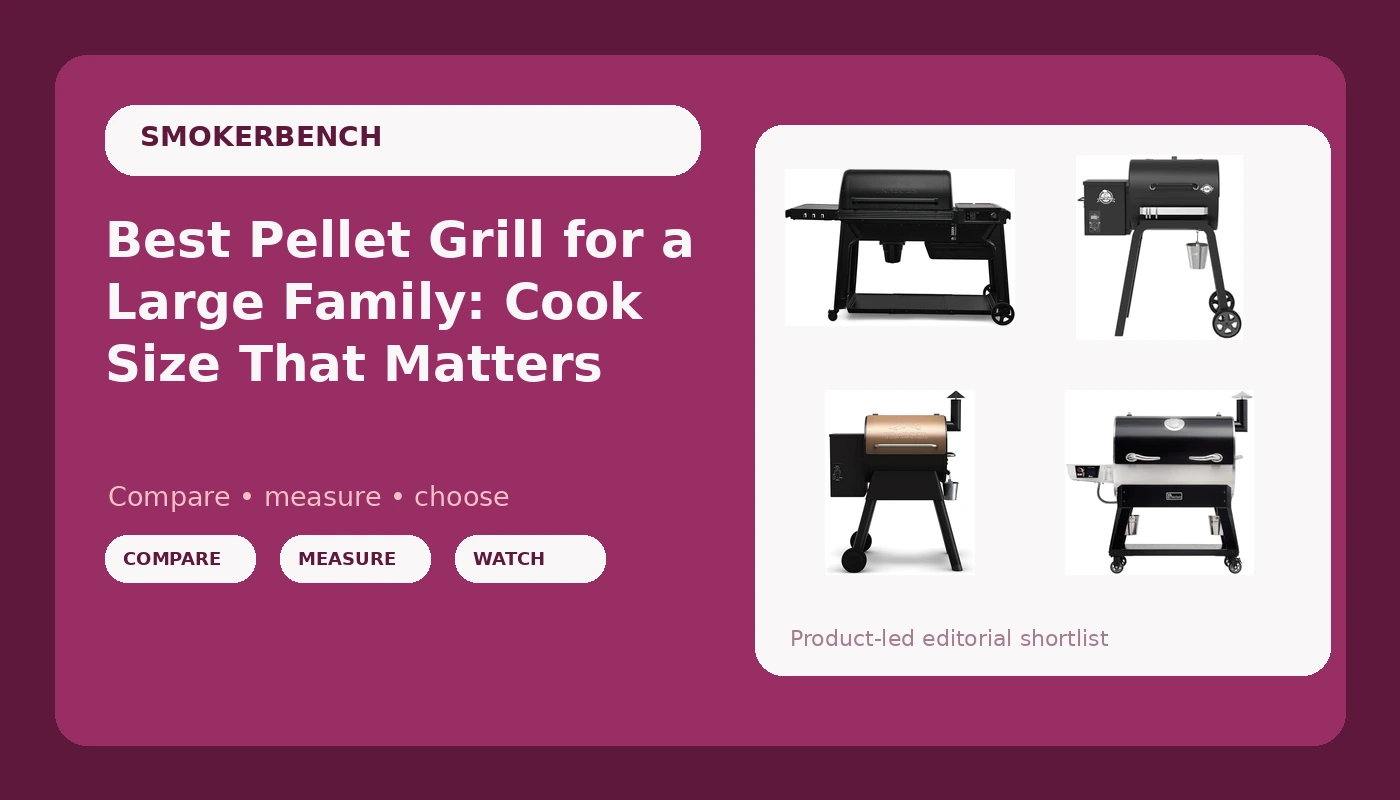
The Traeger Pro 22 is advertised as the perfect starter grill, but is it really enough when you're feeding eight people every Sunday? I've cooked for my family and the neighbors' families for twenty years, and I've got the logbook to prove what happens when you run out of cooking space at hour six of a brisket.
Here's the truth: most pellet grills marketed for families are sized for a couple and a couple of hot dogs, not for a crew that expects real barbecue.
I've been judging KCBS competitions for fourteen years and I own four pellet grills. My garage doubles as a smoker hospital, my dog Sarge is the quality control officer, and my wife only tolerates mild smoke flavor, which means I've learned to make apple and cherry wood do heavy lifting. This is what I've learned about cooking for a crowd.
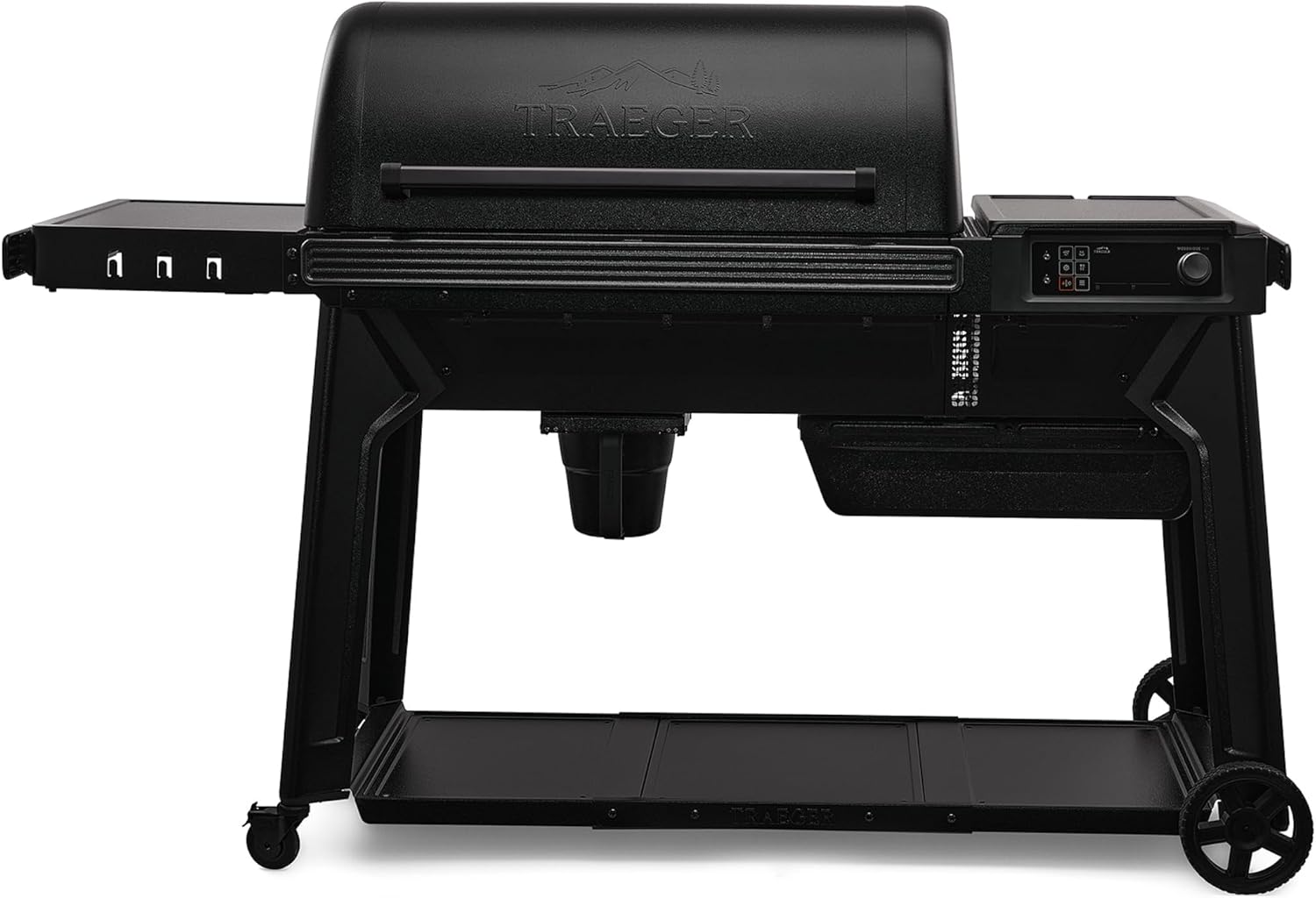
Traeger Woodridge Pro
970 sq in of space, holds temp in wind, WiFi actually works
Visit on Amazon →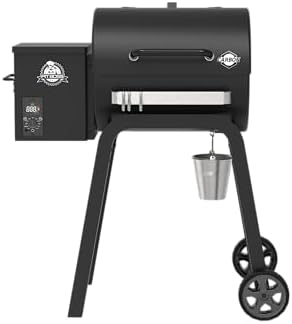
Pit Boss 500 Carbon Series Wood Pellet Grill & Smoker with LCD Digital Contro...
Affordable, 543 sq in, reliable for family cooks
Visit on Amazon →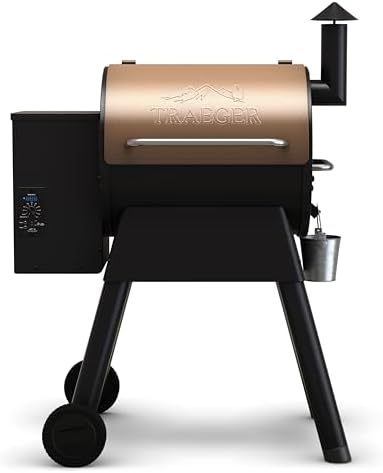
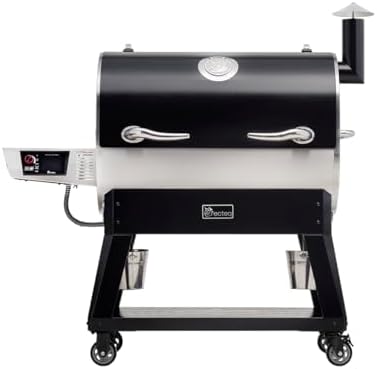
recteq Pellet Grill Smoker - Flagship 1600, Wood Pellet Smoker, BBQ, Wi-Fi Sm...
With high-temperature flexibility, your Flagship 1600 can handle all of the cooking you throw its way, whether it's the neighborhood cookout, the weekly meal prep, or all of the needed cooking space f
Visit on Amazon →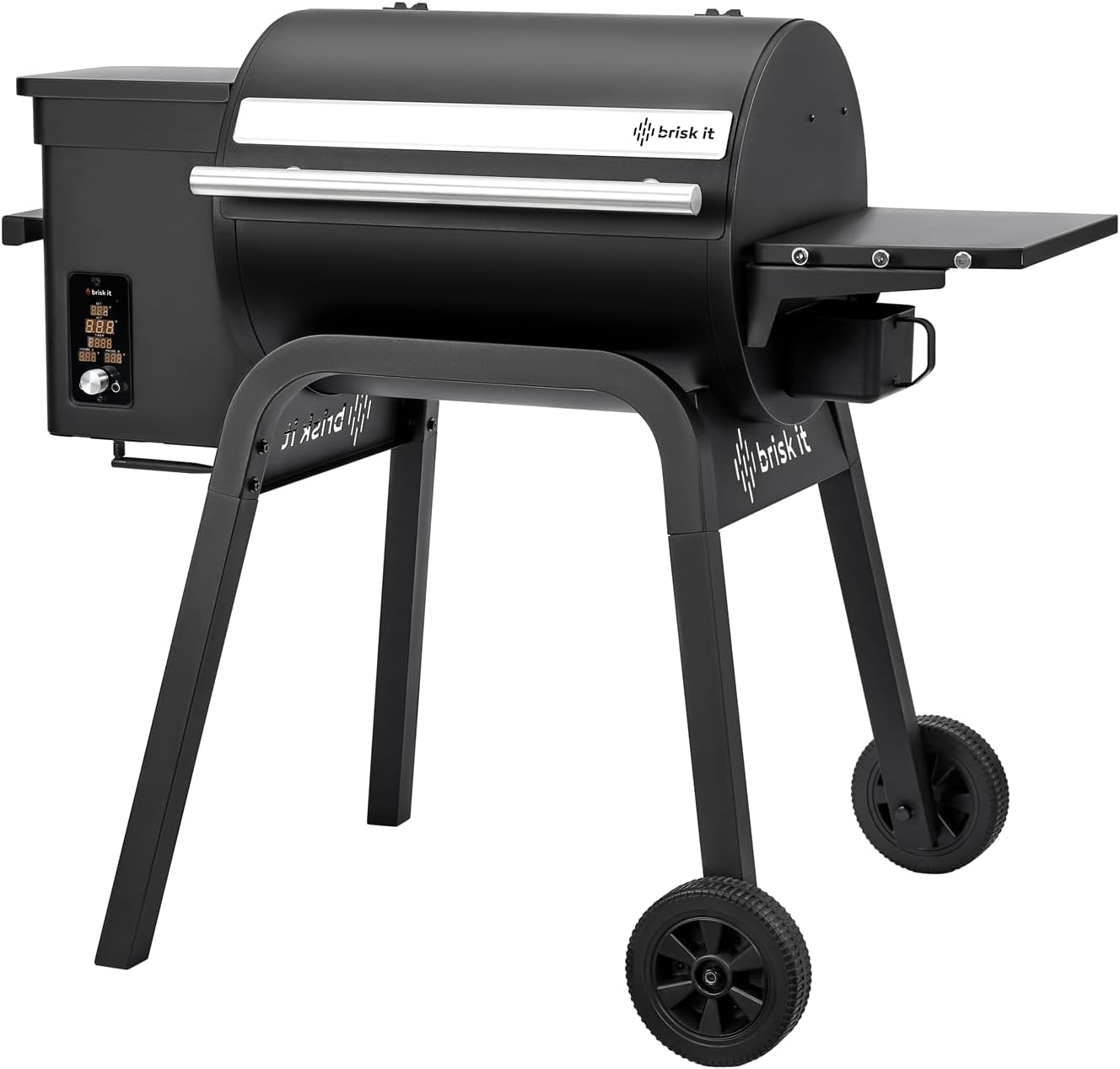
Brisk It Zelos-450 Wood Pellet Grill & Smoker, 450 Sq In, WiFi and A.I.
Smart features, compact footprint
Visit on Amazon →Brisk It Zelos-450 Wood Pellet Grill & Smoker, 450 Sq In, WiFi and A.I.
With high-temperature flexibility, your Flagship 1600 can handle all of the cooking you throw its way, whether it's the neighborhood cookout, the weekly meal prep, or all of the needed cooking space f
Visit on Amazon →How I Test
Every grill I review goes through the same gauntlet. I log the outside temp, wind speed, pellet brand, set temp, actual temp from my ThermoPro TP20, and the final result. I cook a poor man's brisket as a test cook, then a full packer if the unit earns it.
I run at least one overnight cook to see how the hopper holds up. And I do it in winter, because that's when pellet grills show their true character.
Traeger Woodridge Pro
The biggest complaint I have with the Woodridge Pro is the price. At ~$1,800, this is a serious commitment. But after two months of cooking on the version I own, I understand where the money goes. The 970 square inches of cooking space handled two briskets, a rack of ribs, and a pan of beans without breaking a sweat. That's a full family gathering plus leftovers.
The WiFi actually works, which is rare. I set it to 225°F on a 40-degree windy day and my ThermoPro confirmed 228°F at the grate. That's the tightest temperature control I've seen on a pellet grill in this class. The hopper is generous, and I slept through a 14-hour pork shoulder without stumbling out to the garage in my boxers.
The smoke flavor is what sold me. The design traps smoke and lets it smother the meat instead of venting it away. My wife, who only tolerates mild smoke, asked for seconds. That's the highest compliment she gives.
Choose the Woodridge Pro if you're feeding a large family regularly and you want a grill that holds temperature while you sleep. The price is steep, but you're buying a decade of reliable cooks.
Pit Boss 500 Carbon Series
Here's the problem with the Pit Boss 500: the hopper. It's small, and on an overnight cook you're feeding it every four hours. On an 8lb pork shoulder that took 14 hours, I was up three times. That's the tradeoff at ~$450.
 Visit on Amazon →
But for weekend cooks, this thing is a workhorse. The 500 square inches fit a brisket and a rack of ribs, and the temperature swings are manageable. I set it for 225°F and measured 240°F on my ThermoPro. That's a 15-degree delta, which is acceptable at this price point. The meat came out right anyway.
Visit on Amazon →
But for weekend cooks, this thing is a workhorse. The 500 square inches fit a brisket and a rack of ribs, and the temperature swings are manageable. I set it for 225°F and measured 240°F on my ThermoPro. That's a 15-degree delta, which is acceptable at this price point. The meat came out right anyway.
The flame broiler feature gives you a ripping direct flame for searing steaks, which is a nice bonus. And the build quality is better than I expected for the price. The steel is thick enough that it doesn't warp in the wind.
Choose the Pit Boss 500 if you're on a budget and you're willing to babysit the hopper on long cooks. For a large family that mostly does weekend cooks, this is a solid value.
Traeger Pro 22
The Traeger Pro 22 is the benchmark, and I've cooked on mine for three years. The WiFi works, the temperature control is decent, and the 572 square inches is enough for a brisket and a couple of sides. But here's the thing: for a large family, it's tight.
Visit on Amazon →
I've cooked a 14lb brisket on mine and it fit, but there was no room for anything else. When I'm feeding eight people, I want space for a pan of mac and cheese or a tray of sausage. The Pro 22 doesn't give you that.
The temperature accuracy is typical Traeger, which means the display lies a little. I set it for 225°F and my ThermoPro reads 240°F. That's consistent, and the meat comes out right, but I'd rather have a display I can trust.
Choose the Pro 22 if you're a smaller family or you're willing to cook in batches. It's a great grill, but it's not the answer for a large crew.
recteq Flagship 1600
The recteq Flagship 1600 is the biggest grill I've tested. At 1,600 square inches, it's a commercial-grade machine that could feed a whole neighborhood. But that size comes with a cost: this thing is heavy and it takes up serious space in my shop.
The temperature control is excellent. I set it for 225°F and it held 225°F for eight hours straight, even with the wind blowing. That's the kind of performance I expect from a ~$1,600 grill.
The problem is the size. Unless you're regularly cooking for twenty people, this is overkill. I cooked a 21lb turkey on mine and it was lost in the space. And the hopper is so large that pellets sit for months, which means I'm always worried about moisture.
Choose the recteq Flagship 1600 if you're feeding a neighborhood or you want a grill that will last two decades. For most large families, the Woodridge Pro is a better use of money.
Zelos-450 WiFi
The Zelos-450 has smart features that impressed me. The WiFi app is intuitive, and the temperature control is solid for the price. At ~$500, it's a reasonable entry point, but the 450 square inches is the problem.
I cooked a poor man's brisket on mine and it fit fine, but when I tried a full packer, I was fighting for space. For a large family, this is a no-go unless you're willing to cook multiple rounds.
The hopper is also small. On my test cook, I was refeeding every three hours. That's fine for a quick cook, but it's not a set-and-forget machine.
Choose the Zelos-450 if you're a smaller family or you're cooking for two. The smart features are nice, but the size limits its usefulness for a crowd.
Pit Boss 150
The Pit Boss 150 is a portable unit with 256 square inches. It's cheap at ~$300, and it's fine for a tailgate or a couple of steaks. But for a large family, it's not even close to enough space.
Visit on Amazon →
I took mine on a camping trip and cooked burgers and sausages for four people. It worked, but I was cooking in batches and the hopper needed constant attention. This is a niche tool, not a family grill.
Choose the Pit Boss 150 if you're camping or tailgating and you need something portable. For a large family, look at the bigger units.
The Bottom Line
For a large family, the Traeger Woodridge Pro is the grill I'd trust with my Sunday cooks. The space, the temperature control, and the smoke flavor are all there. The Pit Boss 500 is the budget pick if you're willing to babysit the hopper. And the Traeger Pro 22 is a great grill, but it's not big enough for a crowd.
I don't track prices day to day, so I won't pretend to know next week's deals. But I know what these grills do when the wind blows and the brisket's on the grate. That's what matters.
The meat is the final judge. Always has been.