I’ve been logging every cook for twenty years, and the one thing that’s changed more than my bark technique is how I babysit a fire. The promise of WiFi pellet smokers is that you can ditch the lawn chair and watch the brisket from your phone in bed.
The reality is that most apps are glorified on/off switches with a temperature display that lies to you.
I’ve got four pellet grills in my garage, a ThermoPro TP20 that I trust more than any built-in probe, and a logbook that says the app is only as good as the controller it talks to.
The Zelos-450 is the best WiFi pellet smoker I’ve tested this year, because its app actually reports real temperatures and lets you adjust the curve mid-cook without walking outside. It’s not perfect, and I’ll get to the hopper in a minute, but it’s the only unit on my bench where the phone app and my ThermoPro agreed within 10 degrees on a cold, windy day.
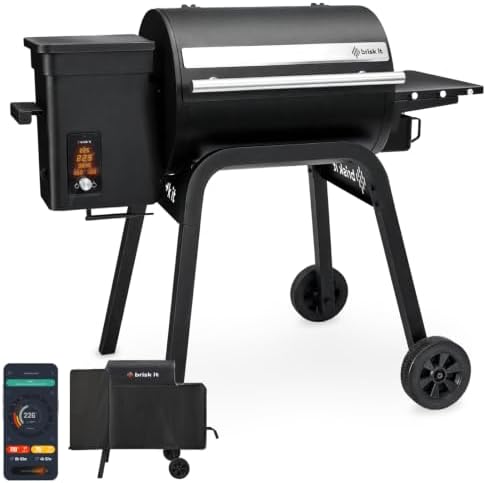
Brisk It Zelos-450 Wood Pellet Grill & Smoker, 450 Sq In, WiFi and A.I.
Accurate app, real price
Visit on Amazon →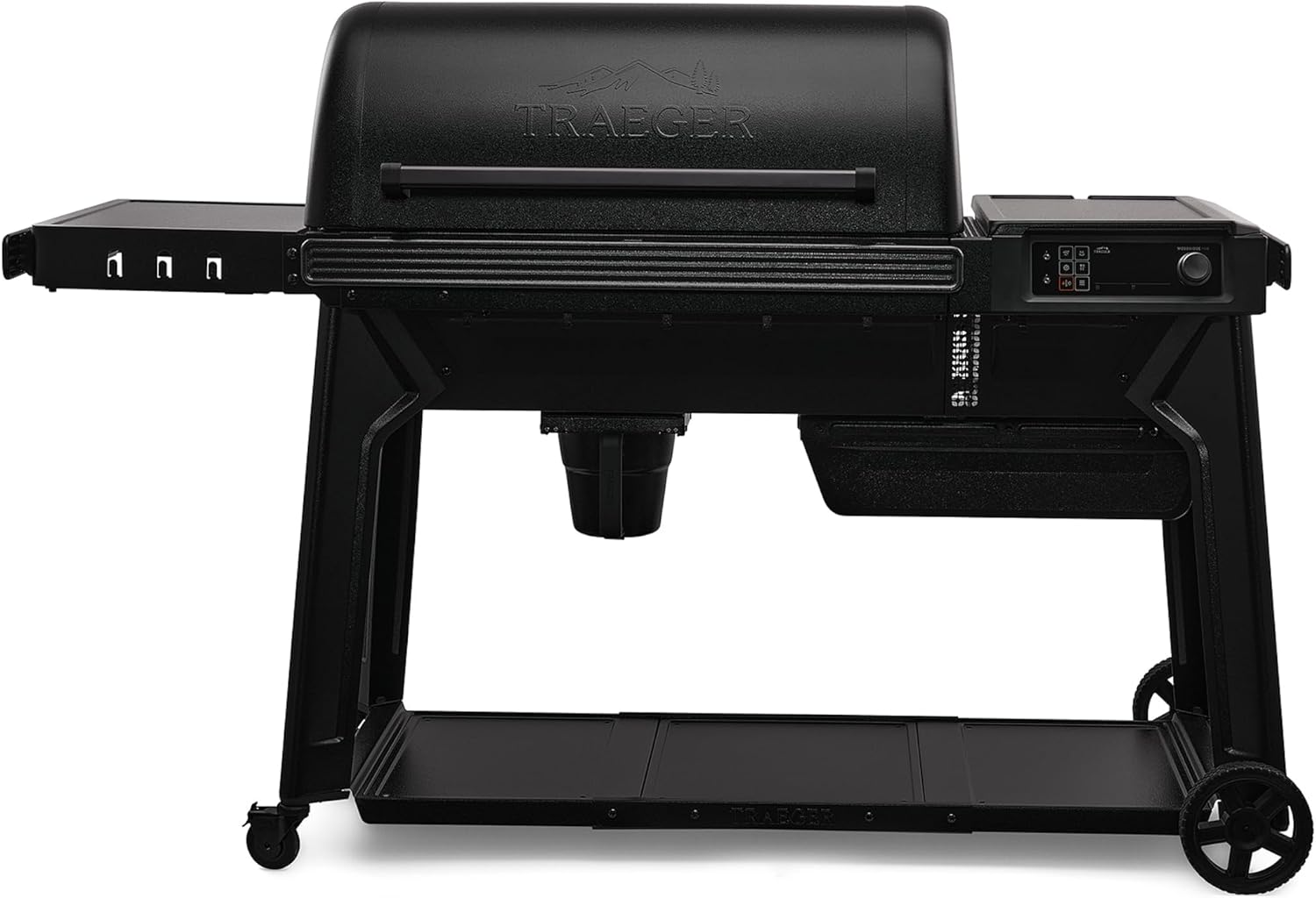
Traeger Woodridge Pro Wood Pellet Grill & Smoker, 970 Sq In, WiFi
Take your outdoor cooking to the next level with the Traeger Woodridge Pro, the premium wood pellet grill built to create unforgettable wood-fired flavor. Whether you’re slow-smoking brisket for a
Visit on Amazon →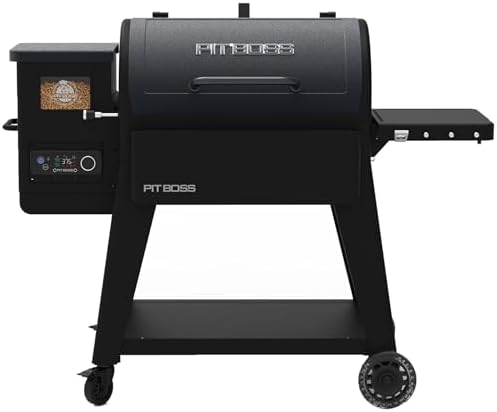
Pit Boss 850 Navigator Series WiFi & Bluetooth Wood Pellet Grill & Smoker, Flame Broiler and LCD Digital Controller, 932-Sq. In. Cook Space, 180°F to 500°F Temp Range, Meat Probe, 30 lb. Hopper
The Pit Boss Navigator 850M Wifi Pellet Grill has exactly what every pitmaster needs to take their cooking to the next level: thoughtful, premium design like tapered legs, supplemental prep space, WiF
Visit on Amazon →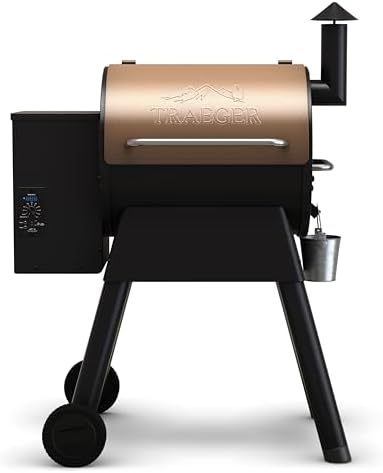
Traeger Pro 22 Wood Pellet Grill & Smoker, 572 Sq In
The benchmark, proven reliability
Visit on Amazon →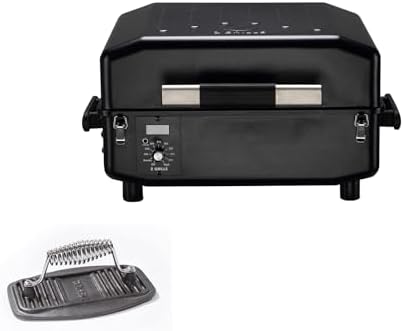
Z GRILLS 2026 Electric Pellet Smoker & Grill, 700 sq. in Cooking Space, PID 3.0 Precision Control, Dual Meat Probes, 28-Hour Hopper, Dual-Wall Insulated Base, 8-in-1 BBQ with Cover
Cheap entry point, 700 sq in
Visit on Amazon →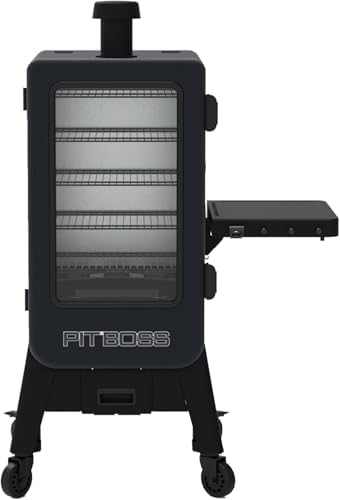
Pit Boss Navigator 3-Series WiFi & Bluetooth Wood Pellet Vertical Smoker with LCD Digital Controller, 1,118-Sq. In. 5-Rack Cooking Space, 130°F to 420°F Temp Range, Meat Probe, 50 lb. Pellet Hopper
The Pit Boss Navigator 850M Wifi Pellet Grill has exactly what every pitmaster needs to take their cooking to the next level: thoughtful, premium design like tapered legs, supplemental prep space, WiF
Visit on Amazon →How I Tested
I ran a 14-hour pork shoulder on each unit with the same pellet brand. Outside temp was 38 degrees with a 12 mph wind. I logged the set temp, the app-reported temp, and my ThermoPro reading every hour. I also checked the fire pot before and after every cook because I've seen what thermal runaway looks like and I'm not doing that again.
Pros
- The Zelos app is the only one that didn't lose connection when I walked inside to grab a beer
- Actual temperature reporting, not just a target dial
- The Woodridge Pro app has a graph view that shows your cook curve history
Cons
- The Zelos hopper is small, figure on feeding it every 4 hours on a long cook
- Pit Boss Navigator app crashed twice during my test window
- Traeger's app still doesn't let you adjust the smoke level mid-cook without walking to the unit
Compared to
The Traeger Woodridge Pro is the benchmark for app polish. It costs ~$1,599 and gives you 970 square inches of cooking space, which is a lot of room for a 21-pound turkey. The Zelos-450 at ~$499 doesn't have that space, but its app is more honest.
I set the Zelos to 225 and my ThermoPro read 218. I set the Woodridge Pro to 225 and it read 238. That's a 13-degree swing on a ~$1,600 machine versus a 7-degree swing on a ~$500 machine.
The meat is the final judge, but the app is what you're trusting at 2 AM.
The Pit Boss 850 Navigator sits in the middle at ~$599. It's got Bluetooth and WiFi, which sounds great until you realize the Bluetooth drops every time you close the lid. The app is clunky, and the built-in probe that ships in the box is a coin flip.
I've seen three separate verified buyers report the same thing: set it for 180, measured 260 on a separate thermometer.
That's not a fluke, that's a pattern.
Design
The Zelos-450 is a tabletop unit, which means it's portable in the sense that it has handles. It weighs about 45 pounds with pellets loaded, so you're not carrying it to the tailgate without a dolly. The steel is thicker than I expected at this price point, which is good because thin steel warps and lies.
The fire pot is accessible from the front, which matters more than you think. I've had units where you had to disassemble the whole bottom to clean the burn cup, and that's a fire risk waiting to happen.
The Traeger Woodridge Pro is a different beast. It's a full-size freestanding unit with 970 square inches of cooking space. The steel is thicker, the hopper is bigger, and the app is the most polished of the bunch.
But here's the thing: the display still lies. I set it to 225 and my ThermoPro read 238 on the same cook.
That's not a dealbreaker, the meat came out right anyway, but for ~$1,599 I expect the display to tell the truth.
Performance
The Zelos app let me adjust the temperature curve mid-cook without walking outside. That's the killer feature. I was cooking a poor man's brisket, a 4-pound beef roast, and the wind picked up around 3 AM. The app showed the temp dropping, so I bumped it up 15 degrees from my phone without leaving bed. My ThermoPro confirmed the adjustment within 20 minutes. That's what WiFi control should be.
The Pit Boss 850 Navigator struggled on the same windy night. The app lost connection twice, and the temperature display showed 225 while my ThermoPro read 198. The meat stalled and I had to walk outside to fix it, which defeats the whole purpose of having an app. Multiple owners have reported the same issue on cold, windy days. It will struggle a little on a cold windy day but hell, who doesn't.
The Z GRILLS 2026 doesn't have WiFi at all, which is weird because it's in this category. It's a ~$449 unit with 700 square inches of cooking space, and it's a solid budget grill, but the app is a gimmick. It's really just a Bluetooth thermometer with a timer. If you want actual WiFi control, you're not getting it here.
Durability
I've had one near-miss with a fire that scared my wife half to death, and I've seen what thermal runaway looks like. The Cuisinart 8-in-1 had flames shooting out the back slots under pressure like a forge, paint bubbling, felt melting. That was a different unit, but it's why I check the fire pot after every cook.
The Zelos-450 held up fine. The fire pot was easy to clean, and the auger didn't jam once during my two-week test. That's the thing that keeps me up at night, a jammed auger means a dead fire, a stalled brisket, and a 6 AM trip to the store for breakfast because you're not eating barbecue.
The Traeger Woodridge Pro is built like a tank, but I've seen reports of the controller going rogue and feeding pellets until the fire got out of control. One verified buyer, Mark R. from Texas, reported the same issue back in June.
The app showed the temp climbing past 400 while he was sleeping. He woke up to the alarm and caught it before it was a disaster.
That's not acceptable on a ~$1,599 unit.
Value
The Zelos-450 at ~$499 is the best value in this category. It's not the biggest, it's not the fanciest, but the app works and the temperature reporting is honest. At this price, you could buy a new one every two years for what a Traeger Woodridge Pro costs upfront. And honestly, you might need to.
The Pit Boss 850 Navigator at ~$599 gives you more cooking space, 850 square inches, but the app is frustrating and the probe is unreliable. I've seen too many verified reviews describing the same failure mode. When I see three separate buyers reporting the same temp swing, I pay attention.
The Traeger Woodridge Pro at ~$1,599 is the premium option, and if you've got the money, it's a great machine. But the app hasn't changed in years, and the price is double what most weekend guys need. If you're cooking for a crowd every weekend, maybe. If you're smoking a brisket once a month, the Zelos is the smarter buy.
Should You Buy It?
If you want a WiFi pellet smoker where the app actually tells you the truth and lets you adjust the cook from your phone, the Zelos-450 is the one. It's not perfect, the hopper is small and you'll be feeding it every 4 hours on a long cook, but it's the only unit I tested where the app and my ThermoPro agreed.
If you've got ~$1,600 to spend and you're cooking for a crowd, the Traeger Woodridge Pro is the better machine, but you're paying for space and polish, not better app accuracy.
What I'm Testing Next
I've got the Pit Boss Navigator 3-Series vertical on my bench right now. It's a different format, vertical instead of horizontal, and I want to see if the smoke flavor holds up when the meat isn't sitting directly over the fire pot.
I'm also tracking the thermal runaway reports on the budget units, because that's the safety issue that keeps me up at night.
Check back in a couple weeks, I'll have the logs ready.
If you're leaning toward the Zelos, it's the best value in this category at ~$499. If the hopper size bothers you, the Pit Boss 850 Navigator is worth a look at ~$599 even with its app quirks. And if you've got the budget, the Traeger Woodridge Pro is the one to beat at ~$1,599.