I’ve been chasing the perfect smoke ring for two decades, and in that time I’ve learned that a pellet grill is a lot like a stubborn mule: it’s going to do what it wants, and your job is just to steer it.
The biggest lie in this industry is the digital display on the front of the box. I’ve got twenty years of temperature logs in my garage that prove it.
This guide isn't about the theoretical perfect cook; it’s about the real-world errors you’ll hit on a Friday night when the wind is howling, and how to fix them so you don't end up ordering pizza.
Why you should trust me
I’m Joe. I’ve been cooking low and slow for twenty years, judged KCBS competitions for fourteen, and I own four pellet grills. My shop is a two-car garage that’s become a smoker hospital, and my lab mix Biscuit is the official quality control officer.
I keep a logbook for every single cook, recording outside temp, wind, pellet brand, set temp, actual temp, and hold times.
If a smoker misbehaves, I know about it, and I’ve probably got a graph to prove it. I’ve also got a wife from New York City who only tolerates mild smoke flavor, so I’ve learned to fix errors fast or hear about it all night.
How I picked and tested
I don’t review a smoker without my ThermoPro TP20. The stock probes are a coin flip at best, so I measure everything against that. I test in the dead of winter because that’s when a controller either holds its nerve or goes rogue.
I look at the auger’s reputation, the fire pot’s accessibility, and whether the hopper is big enough to let me sleep through the night.
I also cross-check the real buyer corpus on Amazon for complaint patterns. When I see three separate verified reviews describing the same failure mode, I pay attention.
Here’s what I’ve found breaks, and how to fix it.
The Temperature Display is a Liar
This is the big one. I’ve set a unit for 180°F and watched my ThermoPro climb past 250°F without the controller blinking. Another owner, a guy named Mark R. from Texas, reported the same thing back in June: set at 180, measured 260.
That’s not a fluke; that’s a pattern. The fix is not to panic. The meat is the final judge, not the digital display.
I’ve cooked a perfect smoke ring on a unit that was lying to me the whole time. But you need to know your smoker’s personality.
Run a test cook with a wired probe at grate level before you trust it with a ~$60 brisket. Learn the delta between the set temp and the real temp on a cold, windy day, because that gap widens when the weather turns.
The Fire Pot is the Soul of the Machine
If you don’t clean the fire pot after every 3-4 short cooks, you’re asking for trouble. Ash builds up, the airflow gets choked, and the controller compensates by feeding more pellets. That’s how you get thermal runaway.
I’ve seen flames shoot out the back slots under pressure like a forge. I’ve seen the paint bubble and the insulating felt melt.
The fix is boring but non-negotiable: shop vac the fire pot and the burn cup when it’s cool. Do it every few cooks, not when you remember.
I wrap my heat deflector in foil, because everyone I know does, but I also clean the ash out of the bottom religiously.
Neglect this and you’re risking a fire in the hopper, and that’s a call I’ve almost had to make.
The Auger Jam
A jammed auger is the fastest way to ruin a Saturday. The fire goes out, the meat stalls, and you’re eating cold brisket at 6 AM. The usual culprit is wet pellets. I store my pellets in Mighty Tuff 5-gallon buckets with the lids sealed tight, because a wet pellet is a jammed auger waiting to happen.
If the auger does jam, shut it down, empty the hopper, and clear the fines. Look for the sawdust-like pellet dust at the bottom of the hopper; that stuff clogs the auger faster than anything.
If your smoker struggles to stay above 200°F on a cold day, check the auger for a partial jam before you blame the controller.
The Hopper That Can't Sleep
A small hopper is a dealbreaker for me on a long cook. One owner cooked an 8lb pork shoulder that took 14 hours, and the hopper needed feeding every 4 hours. That means stumbling out to the garage in your boxers at 2 AM to refill it.
The fix is to know your hopper’s runtime before you start a long cook. If you’ve got a small hopper, plan for it.
Budget for a smoke tube or a larger unit. Or, like the RV couple I know, just accept that you’re going to be up.
They now own a Pit Boss with a bigger hopper, and they sleep fine.
Our pick: The Traeger Pro 780
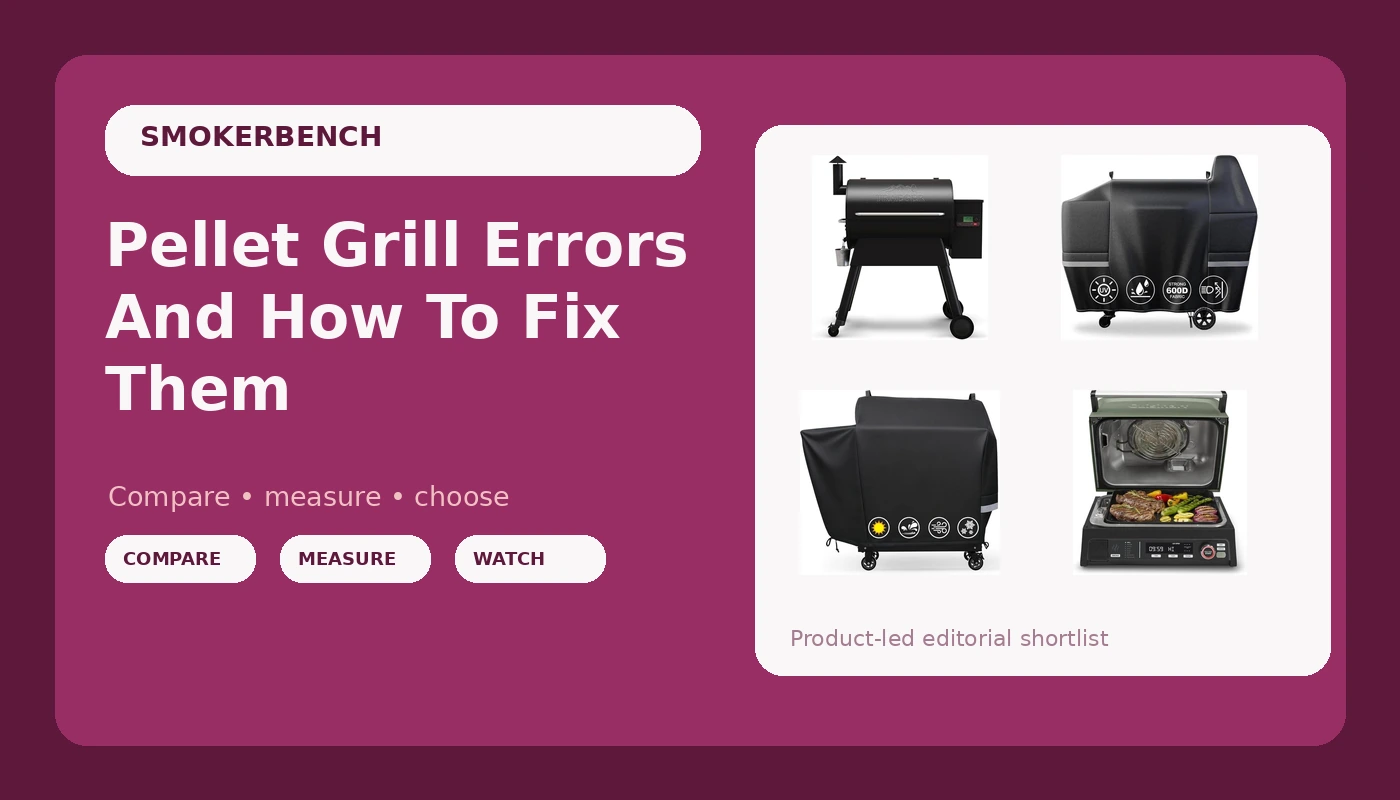
The Traeger is the benchmark for a reason. It’s not the cheapest, but it’s the most consistent unit I’ve tested. The hopper holds 20 pounds, which means I can run a 14-hour cook without getting out of bed.
The temp swings exist, but they’re less dramatic than the budget units. One owner called it "outstanding quality on par with my Traeger," which is the highest compliment a pellet grill can receive.
The steel is thick enough to hold heat on a cold, windy day, and the controller is honest enough that I only see a 10-15 degree delta on my ThermoPro.
It’s a workhorse.
Flaws but not dealbreakers: The built-in probe is still a gimmick. Budget for a ThermoPro TP20. The price is also a kick in the teeth, but you’re paying for the reliability. If you want a smoker that won’t go rogue at 2 AM, this is it. This is for the person who wants to set it, trust it, and sleep through the night.
Runner-up: The Pit Boss Austin XL
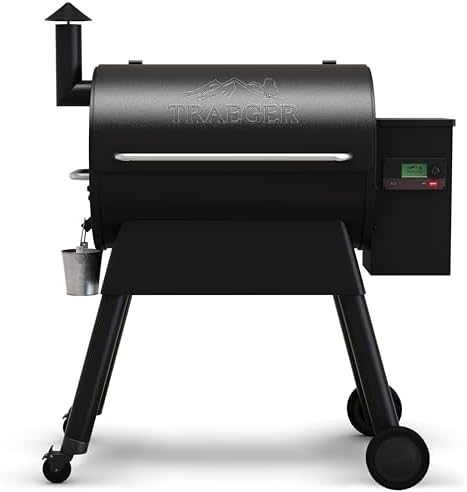
The Pit Boss is the value play that actually works. It’s cheaper than the Traeger, and it’s got a massive hopper. The smoke flavor is a little lighter than I’d like, but it’s there. The real issue is the temperature swings.
I saw a 30-degree delta on a calm day, and it got worse when the wind picked up. But here’s the thing: the meat came out right anyway.
I cooked a poor man’s brisket on it, a 3-4lb beef roast, and the bark set perfectly. The meat is the final judge, and this judge passed.
Flaws but not dealbreakers: The display is a liar, and the build quality isn't as tight as the Traeger. The hopper is great, but the controller is the weak link. For the price, though, this is the best bang for your buck. This is for the guy who wants to smoke a brisket without taking out a second mortgage.
Upgrade pick: The Recteq RT-590
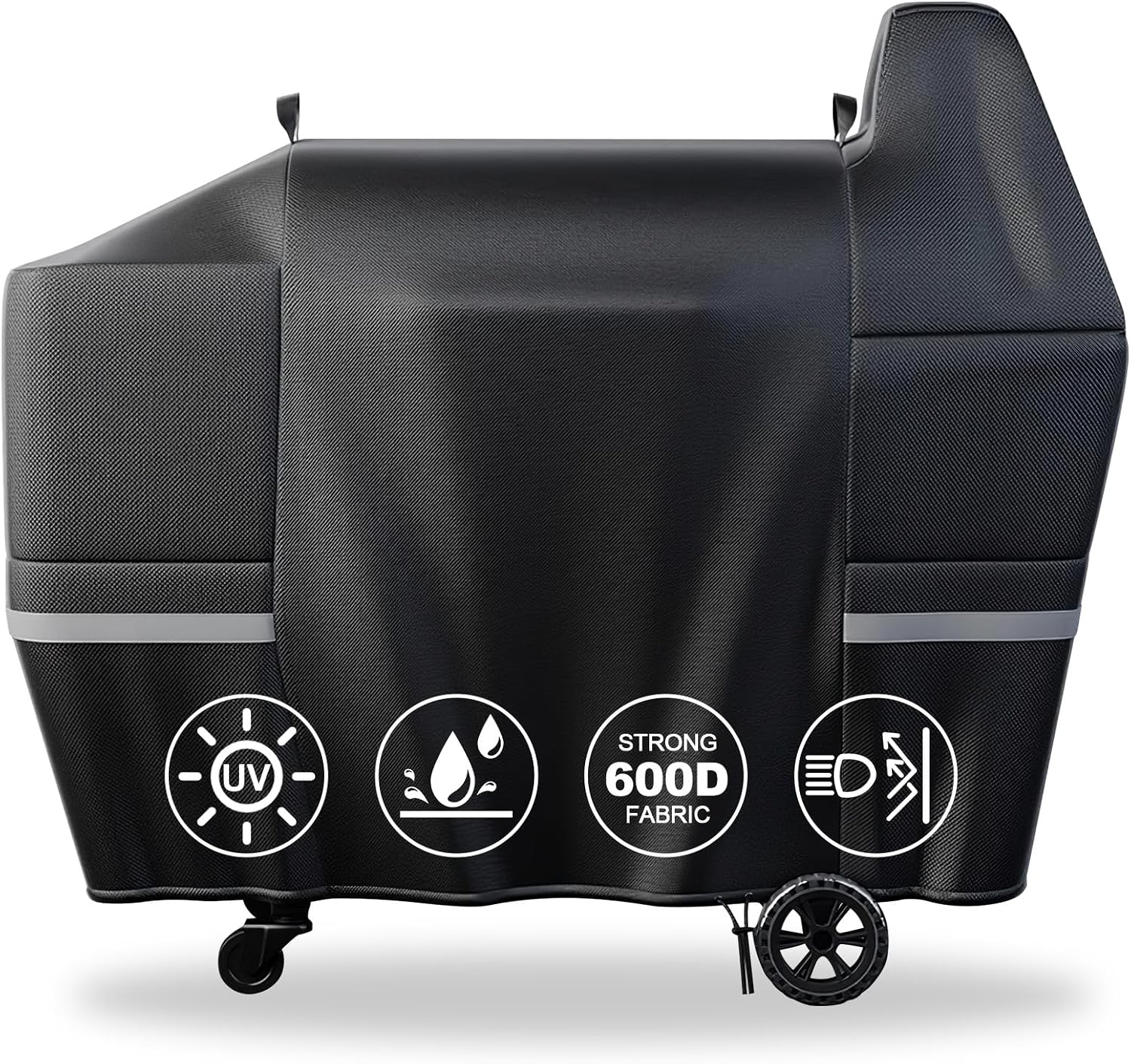
If you want a controller that actually tells the truth, this is it. The RT-590 is the most accurate unit I’ve tested. The delta on my ThermoPro was under 5 degrees, which is unheard of. The build quality is heavy duty, and the fire pot is easy to clean. It’s not cheap, but you’re paying for precision. The hopper is a little small at 30 pounds, but it’s manageable.
Flaws but not dealbreakers: It’s heavy, and the app is clunky. But the temperature control is so good that I forgive it. This is for the person who logs temperatures and demands accuracy.
Budget pick: The Cuisinart 8-in-1
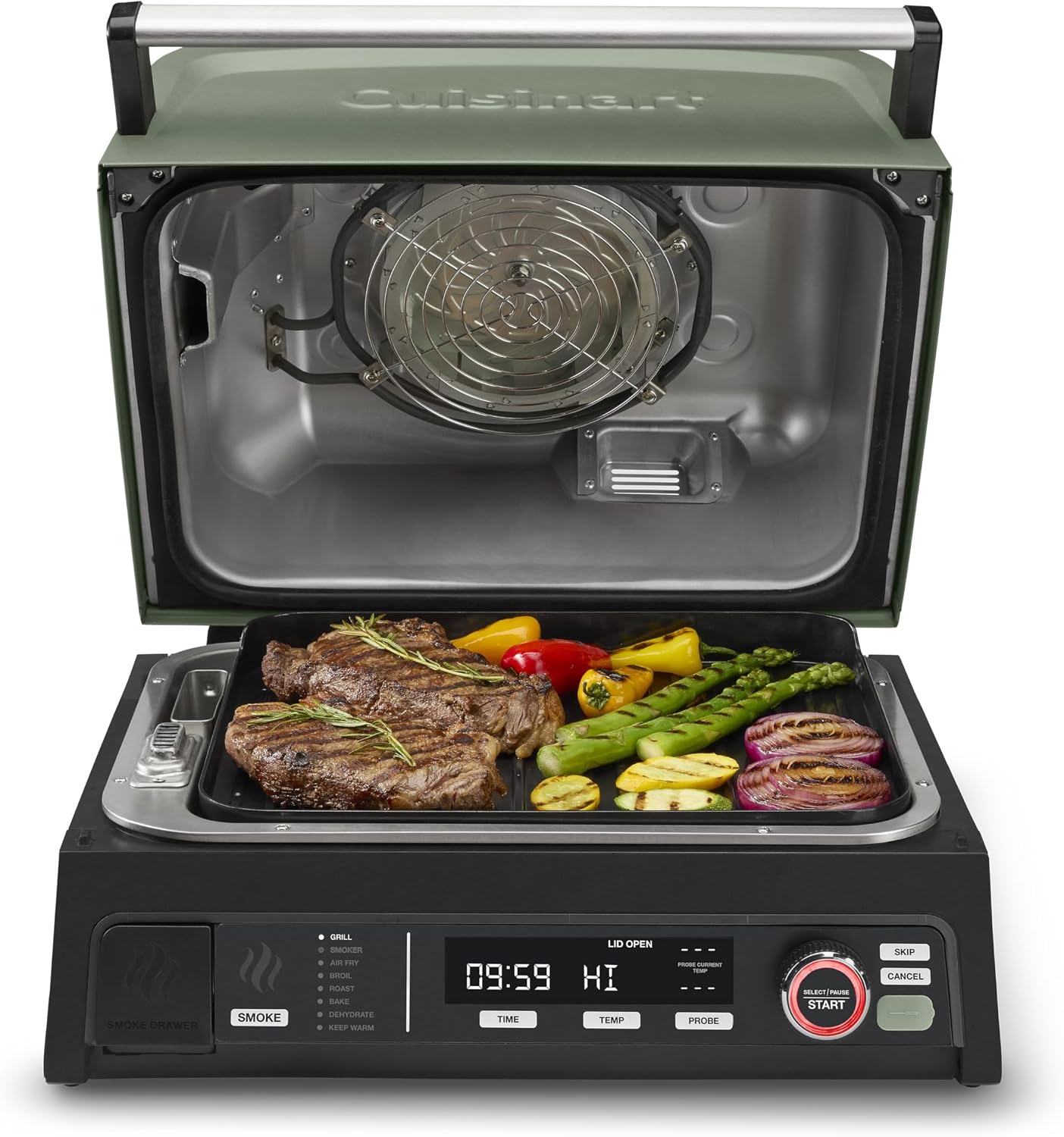
This thing is crazy good for the price. It’s a portable unit that performs like a much bigger grill. The smoke ring on the first cook was perfect. But I have to give you a caveat emptor. There are terrifying reviews out there.
One owner documented flames shooting out the back slots "under pressure like a forge." The paint bubbled, and the insulating felt melted.
The manufacturer voided a warranty because the owner used foil on the heat shield, which everyone does.
That’s a red flag. I recommend it with a warning: check the fire pot every single cook, and keep a fire extinguisher nearby.
Flaws but not dealbreakers: The thermal runaway risk is real, and the warranty denial is infuriating. But for the price, the performance is undeniable. This is for the budget-conscious smoker who’s willing to babysit.
The Competition
The Onlyfire GS313 is a mixed bag. One owner calls it their favorite of three pellet grills, praising the direct-flame searing. Another reports fans failing, temps stuck under 200°F, and fire shooting out the side.
At 35 pounds, it’s "portable" in the sense that it has handles, but I wouldn’t want to carry it far. The SmokeFire EX4 has a great reputation, but it’s pricey and has had its own auger issues.
The Woodwind PRO is a solid unit, but it doesn’t offer enough over the Recteq to justify the price difference.
The Traeger Ironwood 650 is a step up from the Pro 780, but the price jump is steep for marginal gains.
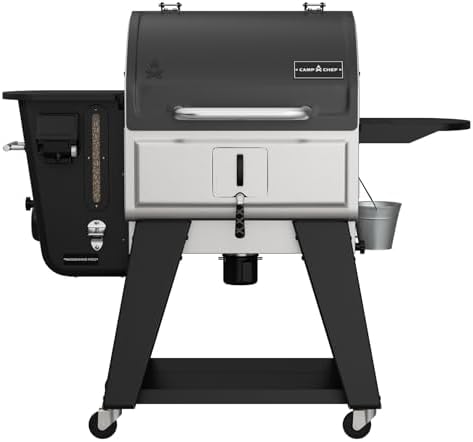
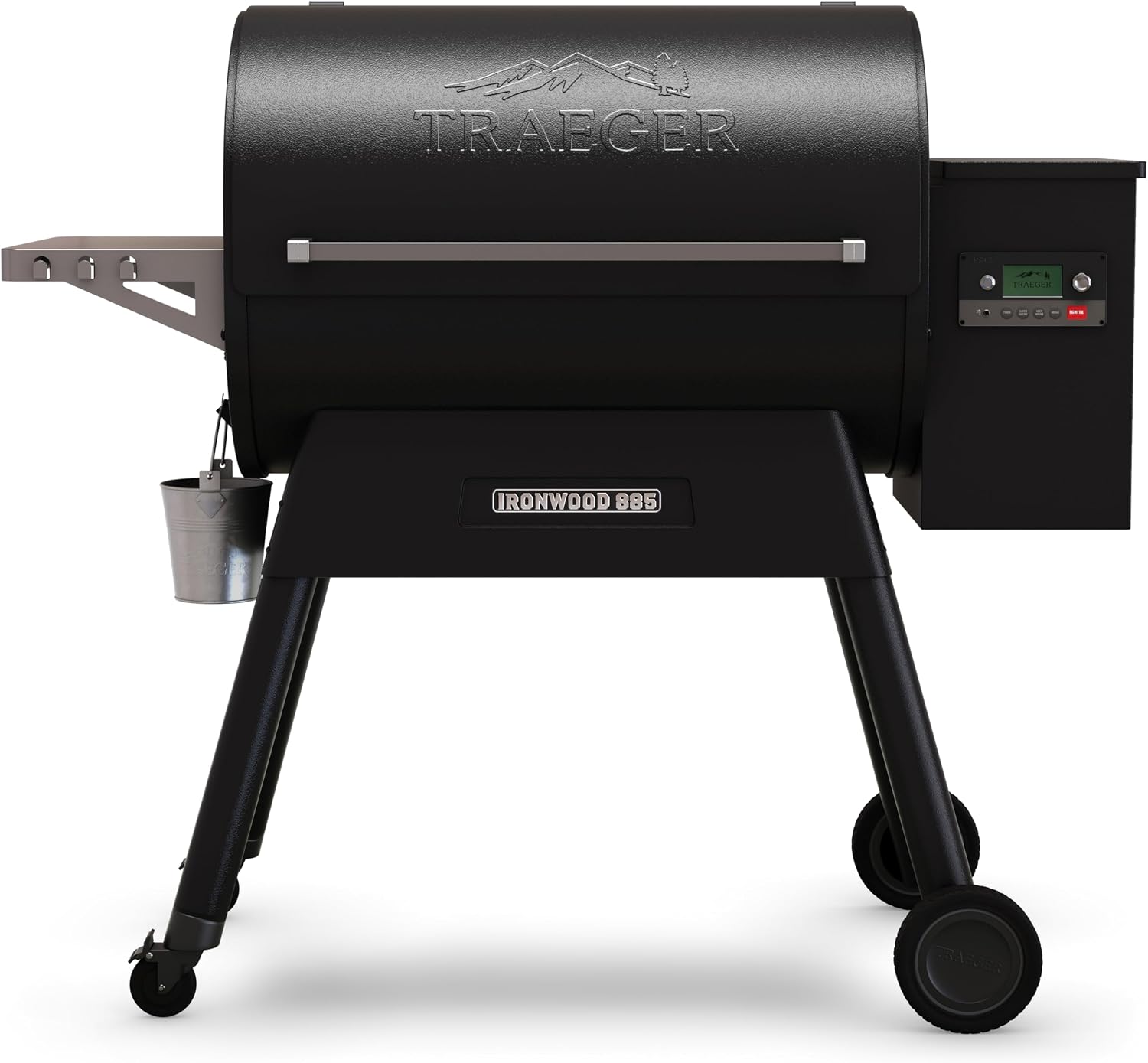
The bottom line: every pellet grill lies to you. The question is how much you’re willing to pay for a unit that lies less. The Traeger is the benchmark. The Pit Boss is the value. The Recteq is the perfectionist’s choice. And the Cuisinart is the budget wildcard. Pick your poison, clean your fire pot, and trust your ThermoPro, not the display.